Human Trafficking in Indonesia: A Crime Against Humanity
Human trafficking remains a grave threat in Indonesia. Learn about the causes, impacts, and the collective effort needed to protect human dignity.
 fiqihalbiyan



This article was first published in Indonesian. Baca versi Bahasa Indonesia →
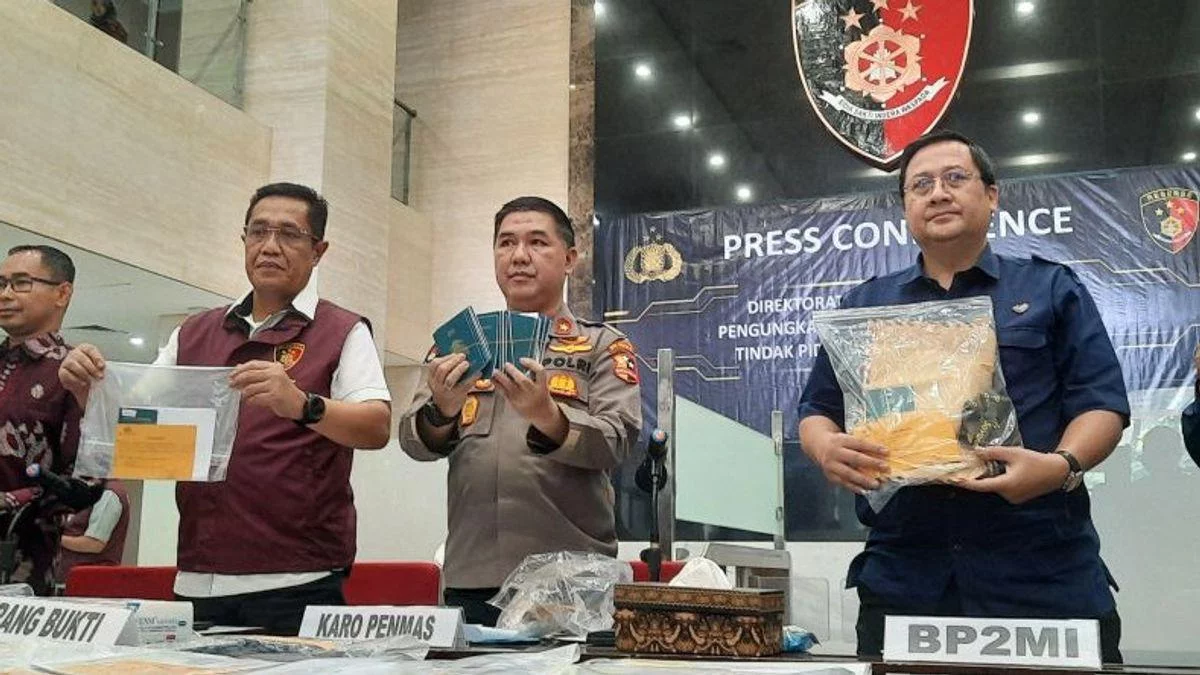
Indonesia is a nation that upholds the values of humanity, justice, and human rights. Yet, amidst the rapid pace of technological advancement and modernization, various social issues continue to threaten the well-being of our society. One of the most pressing concerns is the crime of human trafficking, known in Indonesia as Tindak Pidana Perdagangan Orang (TPPO).
Human trafficking is a crime that not only violates the law but also strips individuals of their freedom, rights, and dignity. This crime can affect anyone—men, women, adults, and children alike. Perpetrators often exploit economic hardships, low levels of education, and the desperate desire of individuals to secure better employment and a brighter future.
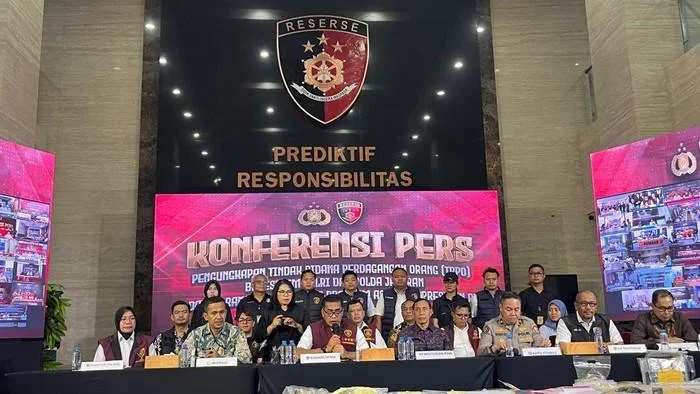
In practice, victims are frequently lured with promises of high-paying jobs, excellent facilities, and the prospect of a better life. However, these promises are often deceptive traps that lead to exploitation and suffering. Consequently, human trafficking requires serious attention from the government, law enforcement agencies, and all levels of society.
Understanding Human Trafficking
Human trafficking is defined as the act of recruiting, transporting, sheltering, sending, transferring, or receiving a person through unlawful means for the purpose of exploitation.
Under Law Number 21 of 2007 on the Eradication of the Crime of Trafficking in Persons, this crime encompasses various actions aimed at exploiting individuals for the perpetrator's gain.
Exploitation may take the form of forced labor, sexual exploitation, slavery, or other forms of human abuse. Thus, human trafficking is not merely a matter of illegal labor migration, but a serious crime that threatens fundamental human rights.
Factors Driving Human Trafficking in Indonesia
Human trafficking does not occur without cause. Several factors contribute to an individual's vulnerability to this crime.
1. Economic Factors
Economic hardship is a primary factor increasing societal vulnerability. The desire for better income often leads individuals to trust job offers promising high salaries without considering risks or verifying the legitimacy of the company.
2. Low Levels of Education
A lack of education and knowledge regarding labor rights makes it difficult for some to identify signs of recruitment fraud, a condition often exploited by traffickers.
3. Limited Job Opportunities
The scarcity of local employment drives people to seek work in other regions or abroad. This increases risk if the recruitment process does not follow official, legal channels.
4. Misuse of Technology and Social Media
While technology makes searching for jobs easier, social media is frequently misused by traffickers to spread fake job advertisements, use fictitious company identities, and target potential victims.
5. Lack of Supervision and Public Awareness
Insufficient oversight of recruitment processes and low public vigilance provide opportunities for human trafficking networks to operate.
Forms of Human Trafficking
Human trafficking manifests in various forms that can destroy the lives of victims:
- Labor exploitation: Utilizing individuals for work in ways that violate their rights and legal provisions.
- Sexual exploitation: Utilizing individuals for sexual purposes through coercion, deception, or abuse of power.
- Child trafficking: The recruitment or transfer of children for the purpose of exploitation.
- Migrant worker trafficking: The recruitment and dispatch of workers through illegal means, often placing them in exploitative situations.
- Slavery and slavery-like practices: Actions that deprive individuals of their freedom and treat them inhumanely.
These forms demonstrate that human trafficking can occur in many situations and is not always easily recognized by the public.
The Impact on Society
Human trafficking has far-reaching consequences, particularly for victims and their families. Victims may lose their freedom, access to education, decent employment, and the right to determine their own lives.
In terms of health, victims often suffer from physical and psychological trauma due to their exploitation. They may experience emotional distress, fear, and significant difficulty reintegrating into society. For families, this crime brings suffering, anxiety, and economic loss. For the nation, it erodes public safety, hinders human resource development, and diminishes trust in the legal protection system. If not addressed seriously, human trafficking threatens the quality of our younger generation and the future of Indonesia.
Government Efforts in Eradication
The Indonesian government has established Law Number 21 of 2007 as a legal foundation for combating human trafficking. In practice, the government and law enforcement agencies conduct investigations, prosecute perpetrators, rescue victims, supervise recruitment, and increase public education.
Victim protection is also a critical component of handling TPPO cases. Victims require legal aid, healthcare, psychological recovery, social rehabilitation, and protection to ensure they are not re-trafficked. Eradicating this crime also requires inter-agency and international cooperation, as these criminal networks often span multiple regions.
The Role of the Public
Combating human trafficking is not solely the responsibility of the government. The public plays a vital role. Citizens must be cautious of job offers promising high salaries without clear information. Before accepting a position, candidates should verify the company's legality, the clarity of the contract, the nature of the work, and the recruitment procedures.
Families should remain attentive to members planning to work abroad or in other regions. Schools can also contribute through education and awareness programs about the dangers of trafficking. If you suspect human trafficking, report it to the authorities and avoid spreading the victim's identity indiscriminately.
Challenges in Eradication
Despite ongoing efforts, significant challenges remain. Trafficking networks often operate across borders, and technological advancements allow traffickers to constantly evolve their methods. Furthermore, economic disparities and a lack of understanding regarding safe migration procedures remain hurdles. Therefore, eradication must go beyond arresting perpetrators; it requires improving education, welfare, job opportunities, and public protection.
Author's Perspective
In my view, human trafficking is a humanitarian issue that demands the attention of all Indonesians. Every human being has the right to live safely, secure decent work, and determine their future without the threat of exploitation. Success in this fight is not measured merely by the number of arrests, but by the state's ability to prevent new victims and provide comprehensive recovery for those who have suffered.
Conclusion
Human trafficking in Indonesia is a grave crime that threatens human rights, social life, and the nation's future. It is driven by economic hardship, low education, limited jobs, and the misuse of technology. This is a shared responsibility that requires real action through law enforcement, public awareness, and robust protection. A truly advanced nation is one that protects the dignity and rights of every human being.