
Indonesia Urges Protection for Rohingya After ICJ Genocide Ruling
The Indonesian government respects the ICJ ruling on the Rohingya genocide, emphasizing the urgent need for humanitarian safety and fundamental rights.
 Portal Islam

This article was first published in Indonesian. Baca versi Bahasa Indonesia →
The government of the Republic of Indonesia has officially stated its firm respect for the decision of the International Court of Justice (ICJ), which ruled that the Myanmar military committed genocide against the Rohingya Muslim ethnic group. Indonesia underscored the importance of fulfilling fundamental rights and ensuring comprehensive protection for the Rohingya people affected by this humanitarian crisis.
This official stance from Indonesia comes amid responses from the Myanmar junta, which has rejected parts of the ruling from the United Nations' primary judicial body, as reported by CNN Indonesia and ANTARA News Agency.
The Official Stance of the Indonesian Government
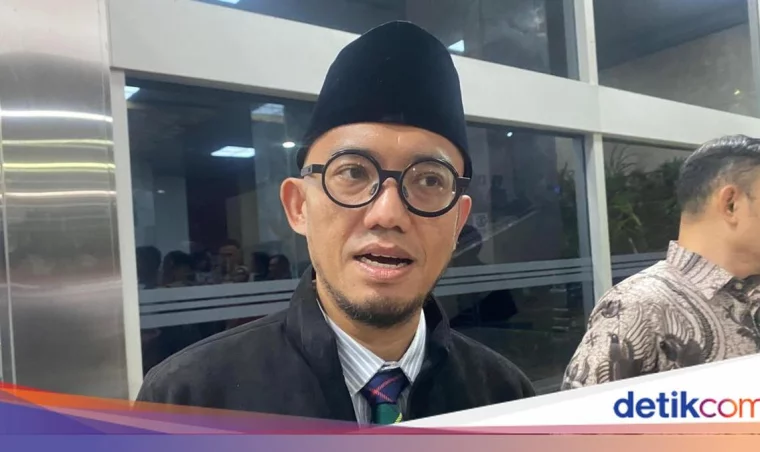
According to reports from CNN Indonesia, the Ministry of Foreign Affairs of the Republic of Indonesia (Kemlu RI) affirmed its support and respect for the role of the ICJ and the principles of international law regarding the prevention of genocide. This statement was delivered by the Ministry's Second Spokesperson, Vahd Nabyl, during a press conference at the Ministry of Foreign Affairs building in Jakarta on Thursday (Nov 26, 2026) at UTC+7.
"The government of the Republic of Indonesia respects the conclusions in the International Court of Justice's decision dated November 19, 2026, regarding the case of the Application of the Convention on the Prevention and Punishment of the Crime of Genocide," said Nabyl, as quoted by CNN Indonesia.
Nabyl emphasized that the primary focus at this time is ensuring the safety, dignity, and protection of all Rohingya citizens. Urgent needs include the restoration of humanitarian conditions in the region. Muslims grieving over this tragedy continue to offer du'a for protection when feeling afraid for their fellow brothers and sisters suffering under oppression.
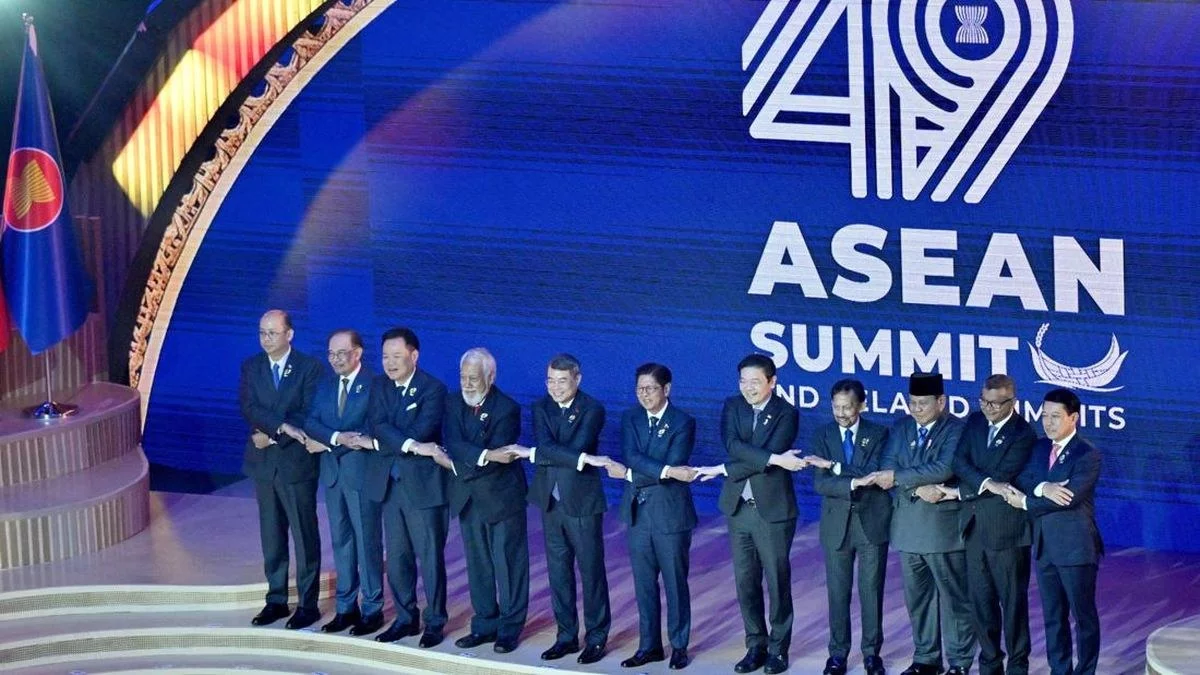
Regarding regional diplomatic steps, Nabyl stated that Indonesia continues to push for an inclusive approach in Myanmar through both ASEAN and bilateral channels:
"And from Indonesia's side, we continue to strive to ensure that the approach toward Myanmar remains inclusive. Whatever steps are taken, we ensure that inclusive dialogue within Myanmar can proceed. This is in line with our spirit through ASEAN and also bilaterally," said Nabyl, as reported by CNN Indonesia.
Response from the Myanmar Junta Leader
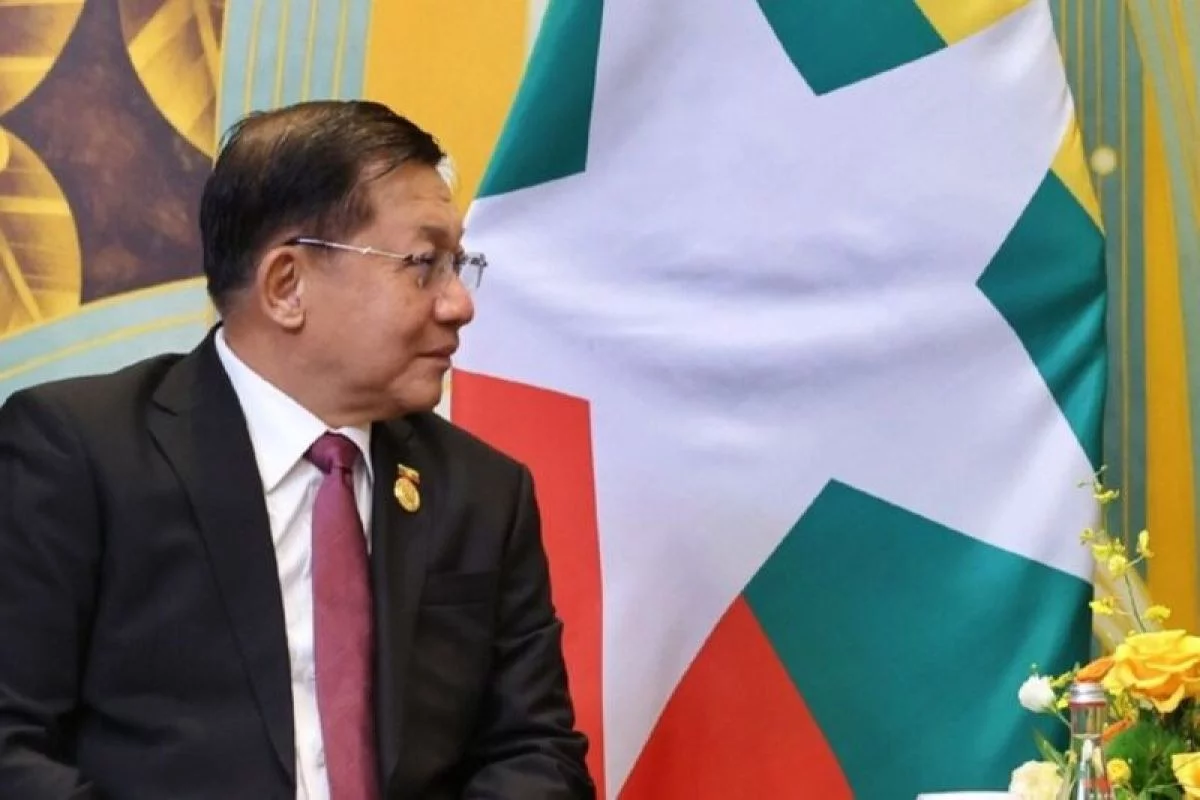
Meanwhile, according to an ANTARA report citing the Myanmar state-run newspaper The Globe New Light on Thursday, Myanmar President Min Aung Hlaing refused to comply with parts of the ICJ ruling he deemed inappropriate. The statement was made during a cabinet meeting on Wednesday in Naypyidaw.
Min, who led the Myanmar military (Tatmadaw) before stepping down from that position in April 2026, argued that the term "genocide" has had a serious impact on his country's reputation. He characterized the case brought to the ICJ as a one-sided accusation, despite claiming that Myanmar had participated actively in the proceedings for seven years.
"Myanmar has actively participated in the court process for seven years since this case was filed, by presenting various factual information, records, and evidence through written and oral arguments," said Min, as reported by ANTARA.
ANTARA also reported that Min's spokesperson, Khaing Khaing Soe, previously stated that the ICJ ruling was unfair and not unanimous, adding that the Myanmar side requires time to further study the decision.
Details of the International Court Ruling
As reported by CNN Indonesia and ANTARA, the ICJ delivered its ruling on Thursday (Nov 19, 2026). The UN court determined that the Myanmar military was proven to have committed genocide against the Rohingya Muslims during a 2017 military operation in northern Rakhine State.
According to CNN Indonesia, the ICJ found facts that the Myanmar military carried out mass executions of adult men and children, large-scale sexual violence against Rohingya women, extreme violence against children, and the burning of hundreds of villages. This ruling marks a historic moment, as it is only the fourth time since the Nazi Holocaust that the legal threshold to prove genocide has been met by an international court.
ANTARA noted that this genocide case was first filed by The Gambia in 2019. The Myanmar military operation, which was previously defended at the ICJ by former state counselor Aung San Suu Kyi, killed thousands of Rohingya and forced more than one million people to flee to Bangladesh. For these actions, the ICJ ordered Myanmar to provide compensation to the victims and take concrete steps to prevent similar violations in the future.
Reflections on Humanity and Brotherhood
The humanitarian tragedy befalling the Rohingya Muslim ethnic group reminds Muslims of the importance of upholding the values of brotherhood, justice, and the protection of every human being's rights. Various elements of society and the largest Islamic organizations in Indonesia continue to voice social concern and moral support for the realization of a just peace for the Rohingya.
Allah emphasizes in the Qur'an the brotherhood among believers that must always be maintained and encouraged toward peace:
اِنَّمَا الْمُؤْمِنُوْنَ اِخْوَةٌ فَاَصْلِحُوْا بَيْنَ اَخَوَيْكُمْ وَاتَّقُوا اللّٰهَ لَعَلَّكُمْ تُرْحَمُوْنَ ࣖ ﴿١٠﴾
The believers are but brothers, so make settlement between your brothers. And fear Allah that you may receive mercy.
Qur'an, Surah Al-Hujuraat [49]: 10 (Sahih International)
Through international judicial efforts and inclusive diplomatic steps, the hope for the restoration of fundamental rights and safety for the Rohingya Muslims can hopefully be realized in a dignified manner.