US, Russia, and China Issue Peace Declaration at APEC
US, Russian, and Chinese presidents held a trilateral meeting in Shenzhen and issued a joint Peace Declaration during the APEC summit.
 Portal Islam



This article was first published in Indonesian. Baca versi Bahasa Indonesia →
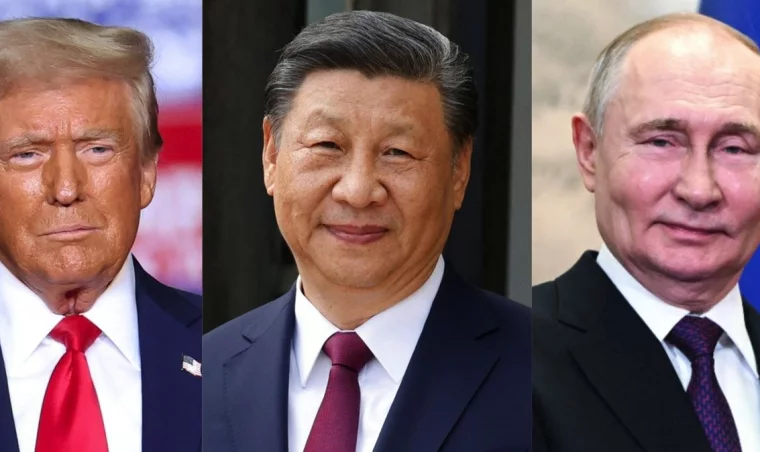
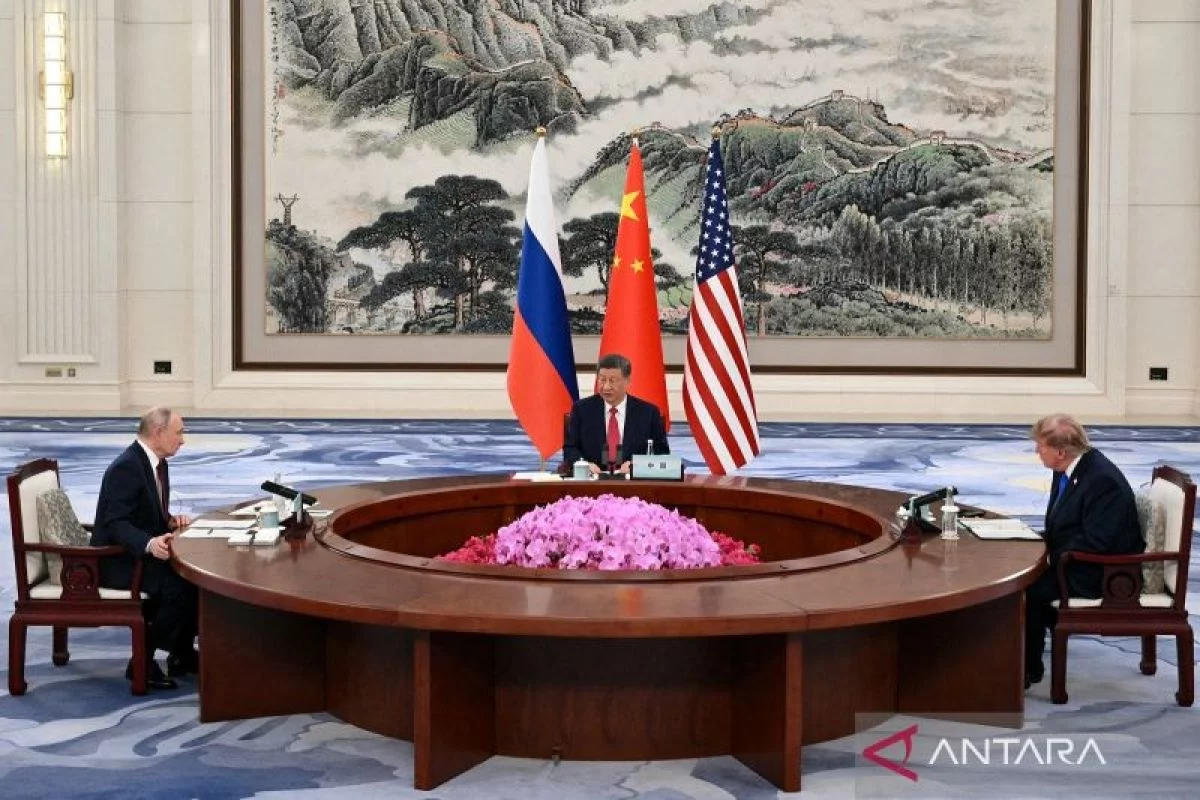
The Asia-Pacific Economic Cooperation (APEC) summit in Shenzhen, Guangdong Province, China, has been marked by high-level diplomatic engagement. Chinese President Xi Jinping, US President Donald Trump, and Russian President Vladimir Putin held a trilateral meeting that yielded a joint commitment in the form of a peace declaration.
According to international media reports cited on Thursday, Nov 19, 2026, the meeting between the three major world leaders drew global attention for producing crucial agreements regarding global security and regional stability, as also highlighted in the APEC Summit: World Leaders' Trilateral Agenda Discusses Nuclear and Security Issues.
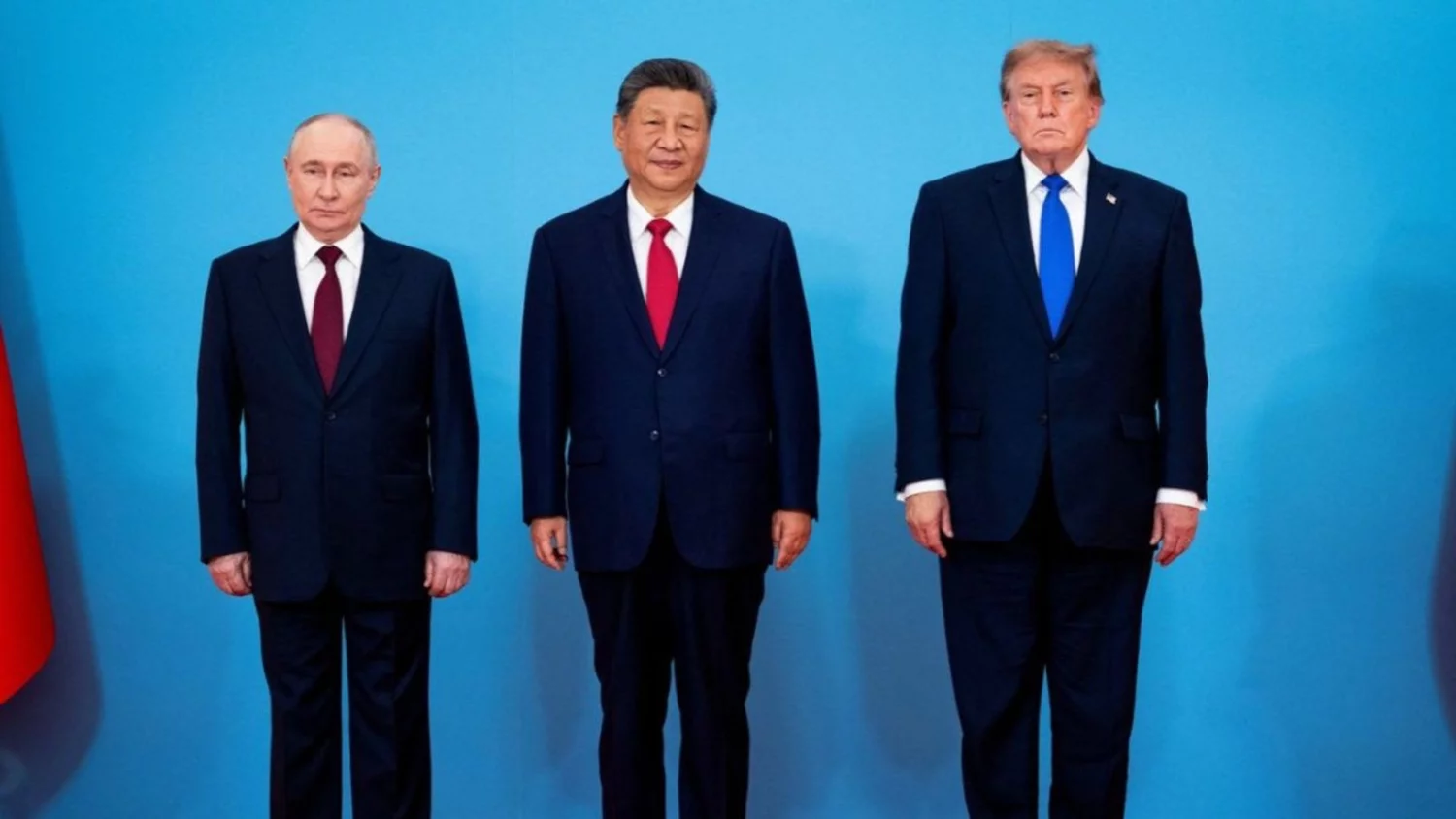
Trilateral Meeting at Kylin Villa
According to a report by ANTARA (Indonesia's state news agency) on Thursday (Nov 19, 2026, UTC+7), Chinese President Xi Jinping, US President Donald Trump, and Russian President Vladimir Putin participated in a trilateral meeting at Kylin Villa on the sidelines of the APEC summit in Shenzhen, Guangdong Province, China. The setting included a joint walk toward the closed-door meeting room attended by world leaders.
Meanwhile, as reported by Al Jazeera on Friday (Nov 20, 2026, UTC+7), this three-way meeting between the leaders of China, Russia, and the United States resulted in a number of concrete commitments outlined in a joint statement.
Key Points of the Peace Declaration
Al Jazeera reported that the three heads of state issued a joint document named the "Peace Declaration." Below are the agreed core commitments:
- The presidents of the three nations pledged to safeguard and secure international security.
- To increase the production of refined petroleum products.
- To reaffirm the principle that a nuclear war must never be fought, as no party can win it.
- To agree on keeping communication channels open to resolve ongoing conflicts, including the war in Ukraine.
The meeting also featured perspectives from various observers and foreign policy analysts, including Andy Mok, senior researcher at the Center for China and Globalization; Aaron Glasserman, prominent fellow at the Weatherhead East Asian Institute of Columbia University; and Alexander Bratersky, an independent journalist specializing in Russian foreign policy and Russia-US bilateral relations.
The Islamic Perspective on Peace and Dialogue
As Muslims, we are constantly encouraged to prioritize peaceful paths, dialogue, and avoiding bloodshed and corruption on earth. The spirit of consultation and easing tensions among nations aligns with noble values that uphold human safety.
۞ وَاِنْ جَنَحُوْا لِلسَّلْمِ فَاجْنَحْ لَهَا وَتَوَكَّلْ عَلَى اللّٰهِ ۗاِنَّهٗ هُوَ السَّمِيْعُ الْعَلِيْمُ ﴿٦١﴾
And if they incline to peace, then incline to it [also] and rely upon Allah. Indeed, it is He who is the Hearing, the Knowing.
Qur'an, Surah Al-Anfaal [8]: 61 (Sahih International)
May every diplomatic effort undertaken by world leaders bring goodness, alleviate global tensions, and spare humanity from the threat of destructive armed conflict.