Indonesia to Build Integrated Quarantine Hub in Palu for Exports
The Indonesian Quarantine Authority (Barantin) plans an integrated facility in Palu, Central Sulawesi, to streamline logistics and boost MSME exports.
 Portal Islam

This article was first published in Indonesian. Baca versi Bahasa Indonesia →
The Indonesian Quarantine Authority (Barantin) is planning to construct an integrated quarantine facility in the Pantoloan area of Palu, Central Sulawesi. According to reports from national news outlets ANTARA and CNN Indonesia on Friday and Saturday (20–21 November 2026), the installation is scheduled for development under the 2027 fiscal year budget to streamline regional commodity exports and improve logistics efficiency for business operators, including micro, small, and medium enterprises (MSMEs).
The Head of Barantin, Abdul Kadir Karding, explained that the quarantine installation aims to ensure that animal, fish, and plant commodities transported between regions or exported meet strict health standards and remain free from pests and diseases. With an integrated single-window facility, service users will no longer need to visit multiple locations, as all services will be consolidated within one zone.
Integrated Services and Business Logistics Efficiency
According to CNN Indonesia, the proposed site is located on Jalan H. Sambade in Pantoloan, Palu City, covering approximately one hectare of land granted by the Central Sulawesi Provincial Government. This consolidation aims to cut bureaucratic delays that previously consumed time and added costs for service users. Business owners and the public will be able to visit a single central location equipped with testing laboratories to handle everything from inspection to commodity certification.
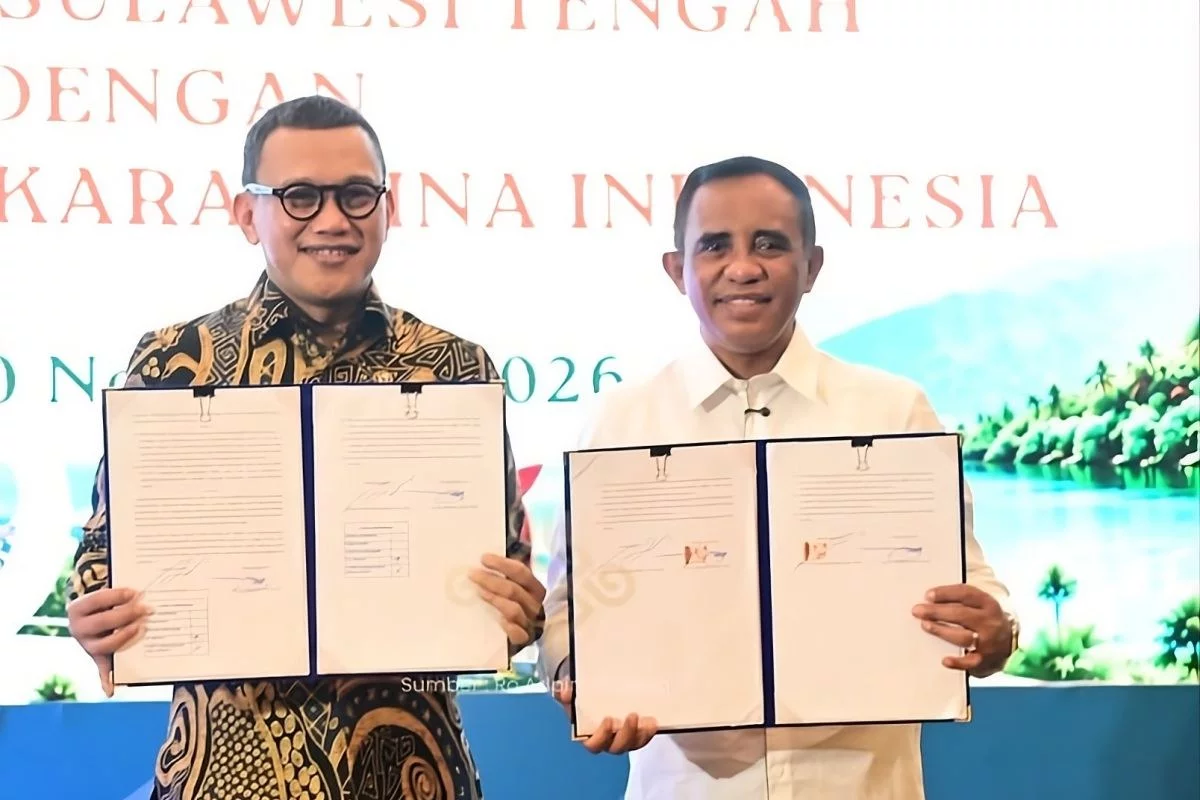
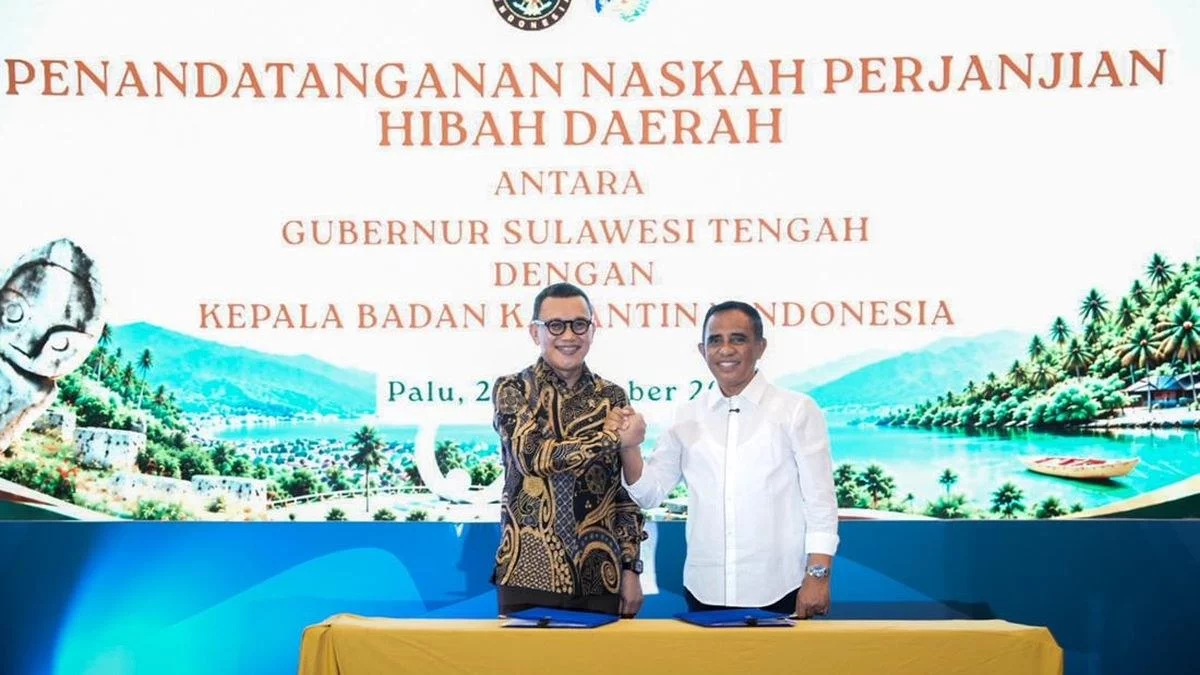
As cited by ANTARA, Karding expressed his gratitude to the Central Sulawesi Provincial Government for the land grant. Meanwhile, the Governor of Central Sulawesi, Anwar Hafid, stated that the grant represents concrete support from the regional government to strengthen quarantine services and empower local featured products and MSMEs to compete internationally. Key regional commodities include durian, coconut, cocoa, cloves, and fishery products.
For business owners and Muslim traders, smooth distribution channels and clear regulatory procedures are essential for maintaining ethical practice, public welfare, and blessing in commerce. Islam encourages believers to conduct trade with honesty, trustworthiness, and efficiency, avoiding unnecessary hardships or financial loss for any party involved.
يٰٓاَيُّهَا الَّذِيْنَ اٰمَنُوْا لَا تَأْكُلُوْٓا اَمْوَالَكُمْ بَيْنَكُمْ بِالْبَاطِلِ اِلَّآ اَنْ تَكُوْنَ تِجَارَةً عَنْ تَرَاضٍ مِّنْكُمْ ۗ وَلَا تَقْتُلُوْٓا اَنْفُسَكُمْ ۗ اِنَّ اللّٰهَ كَانَ بِكُمْ رَحِيْمًا ﴿٢٩﴾
O you who have believed, do not consume one another's wealth unjustly but only [in lawful] business by mutual consent. And do not kill yourselves [or one another]. Indeed, Allah is to you ever Merciful.
Qur'an, Surah An-Nisaa [4]: 29 (Sahih International)
Support for MSMEs and Regional Food Security
The establishment of this integrated quarantine facility is also expected to facilitate trade, import-export activities, and support the protection of local biodiversity and regional food security. With complete and centralized inspection facilities, micro, small, and medium enterprises in Central Sulawesi are expected to become better equipped to meet global trade standards easily, quickly, and transparently.
Both central and regional authorities hope this partnership will continue to foster dependable trade infrastructure, bringing widespread prosperity and benefit to the regional community.