DPD RI Welcomes Regional Budget Boost From State Savings
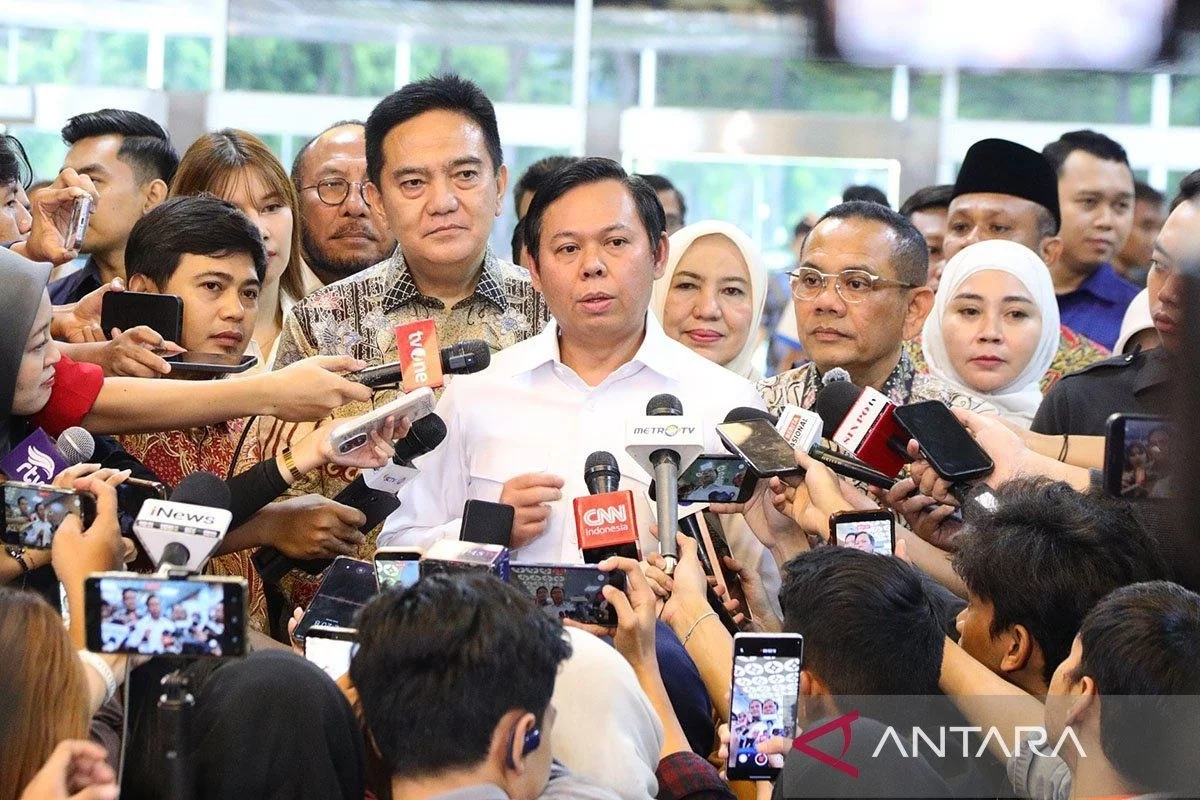
DPD RI Chairman Sultan Baktiar Najamudin welcomed President Prabowo's plan to allocate APBN efficiency savings as fiscal incentives for regional development.
 Portal Islam



This article was first published in Indonesian. Baca versi Bahasa Indonesia →
The Chairman of the Regional Representative Council of Indonesia (DPD RI), Sultan Baktiar Najamudin, has welcomed and praised President Prabowo Subianto's plan to allocate additional fiscal incentives and regional budget funds to support development across the nation. The legislative leadership expressed its appreciation on Monday (16/11/2026), viewing the central government's commitment as a strong demonstration of support for regional growth.
As reported by Indonesian news agencies ANTARA and CNN Indonesia on Monday (16/11/2026), President Prabowo Subianto announced the budget efficiency initiative on Saturday (14/11/2026) while opening the 114th Tanwir and Anniversary (Milad) of Muhammadiyah—one of Indonesia's largest Islamic organizations—at Universitas Muhammadiyah Palu in Palu City, Central Sulawesi. The policy is expected to encourage regional administrations to optimize capital expenditures that directly serve the public interest.
Details of the Budget Incentive and DPD RI's Call to Action
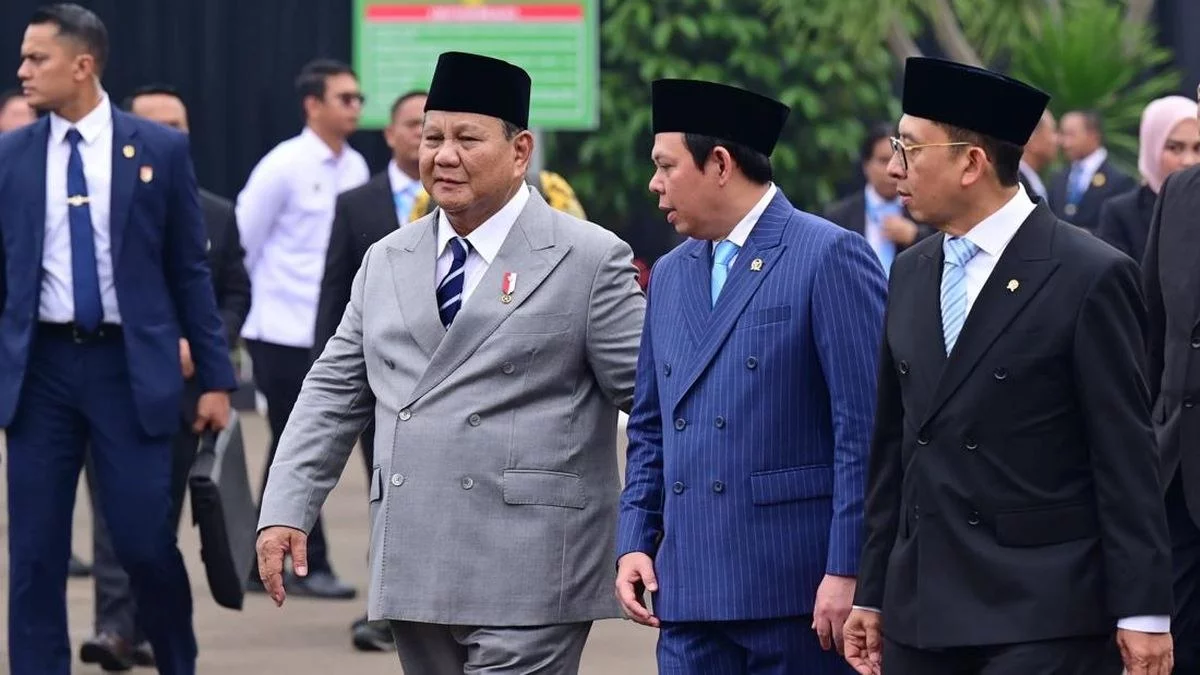
According to ANTARA, DPD RI Chairman Sultan Baktiar Najamudin conveyed his official response via a written message received in Bengkulu on Monday (16/11/2026). CNN Indonesia similarly reported Sultan's statement issued through an official press release on the same day. The former Vice Governor of Bengkulu emphasized that the initiative reflects serious commitment from the central government toward empowering local administrations through fiscal incentives.
We naturally welcome and appreciate President Prabowo's policy of once again providing fiscal incentives to the regions. This demonstrates that the President has a firm commitment to regional development.
Sultan urged regional leaders—including governors, regents (bupati), and mayors—to act swiftly on this opportunity by crafting sound, productive spending plans that prioritize high-impact capital projects.
The most crucial step now is for governors, regents, and mayors to immediately prepare spending plans focused on impactful capital expenditures. Ideally, these regional budget incentives should be transferred taking into account local spending proposals.
Incentive Amounts and Procurement Savings in the State Budget
Reports from ANTARA and CNN Indonesia outline President Prabowo Subianto's proposal to disburse an additional Rp100 billion (approx. USD 6.3 million) to each provincial capital. Regarding regency and municipal allocations, the two media outlets noted slight variations in phrasing: ANTARA reported a promised minimum addition of Rp20 billion for every regency and city, whereas CNN Indonesia recorded a minimum allocation of Rp20 billion per regency.
President Prabowo highlighted that these funds stem from state spending efficiencies, particularly in public procurement within the State Revenue and Expenditure Budget (APBN). With national procurement of goods and services totaling around Rp1,200 trillion, the administration estimates that 30 percent—or approximately Rp400 trillion—can be saved by reforming procurement mechanisms. This reallocation aligns with efforts toward transparent public fund management, mirroring recent commitments to strengthen community education such as the approved additional budget of Rp2.38 trillion for Kemenag's (Ministry of Religious Affairs) madrasah revitalization.
In the near future, I will allocate an additional Rp100 billion for each province—specifically for provincial capitals. For every regency, the minimum addition will be Rp20 billion.
In CNN Indonesia's coverage, President Prabowo also pointed to the root causes of budget leakage in procurement spending, long considered vulnerable to mismanagement and artificial price inflation.
Out of Rp1,200 trillion, an estimated 30 percent is lost to markups, cost inflation, or corruption.
Beyond infrastructure and regional aid, properly targeted state spending is expected to reinforce the Islamic economic ecosystem and strategic partnerships, similar to institutional initiatives like when Bank BSN and Muhammadiyah introduced Sharia housing finance through RumahMu to enhance public welfare.
Principles of Trust and Fiscal Transparency in Islamic Economic Ethics
In Islamic economics, public financial governance represents a sacred trust (amanah) that must be managed with honesty, transparency, and strict avoidance of fraudulent practices like price markups, bribery, and corruption. Every unit of regional revenue must be directed toward the public interest (maslahah mursalah), poverty alleviation, and the empowerment of the local economy.
The Prophet Muhammad ﷺ reminded leaders of their responsibility over public resources in a well-known hadith:
Every one of you is a guardian and every one of you will be held accountable for those under your care.
Narrated by al-Bukhari
Redirecting procurement savings into productive capital expenditure not only safeguards state funds against corruption, but also fosters a fair, balanced economic system free from deceit, promoting blessed and sustainable growth across Indonesia's regions.