History of the Mosque of Amr ibn al-As: First Mosque in Africa
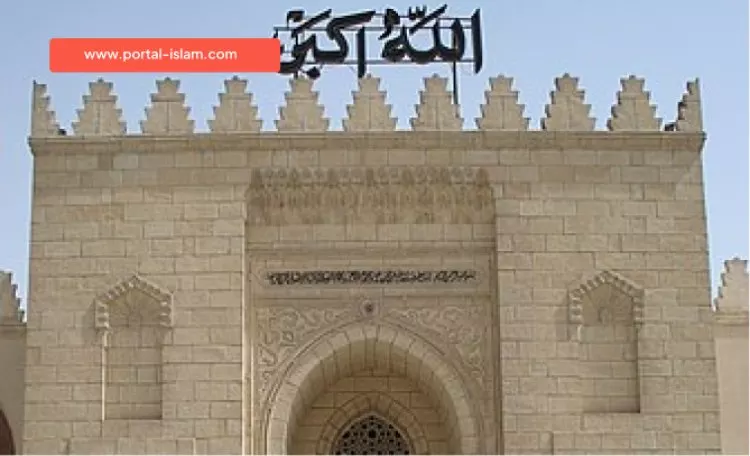
On 24 Ramadan 20 AH, the Mosque of Amr ibn al-As was founded in Fustat, marking the establishment of the first mosque in Egypt and the African continent.
 Portal Islam



This article was first published in Indonesian. Baca versi Bahasa Indonesia →
Historic Events in the Month of Ramadan
On 24 Ramadan in the year 20 AH, the Muslim community marked a significant milestone in history with the founding of the Mosque of Amr ibn al-As. This site holds the distinction of being the first mosque in Egypt and the African continent, established in the city of Fustat, a city built following the Muslim conquest of Egypt.
The History of the Mosque's Foundation
The Mosque of Amr ibn al-As originally spanned an area of 50 by 30 cubits and featured six entrances. It is also known by several other names, including Masjid al-Fath, Masjid al-Atiq, and Taj al-Jawami.
The initial structure remained until 53 AH (672 CE), when Maslama ibn Mukhallad al-Ansari, the governor of Egypt appointed by Mu'awiyah ibn Abi Sufyan, began renovations and expansions. One of the major additions during this period was the construction of four minarets.
Read also: Events of 23 Ramadan: The Passing of the Great Scholar Usamah ibn Mursyid al-Kinany
Development and Renovations
Over time, successive governors of Egypt continued to renovate and expand the Mosque of Amr ibn al-As. Eventually, the mosque's area increased to 24,000 cubits, or approximately 120 by 110 meters in modern measurements.
Historical Significance
This mosque served not only as a place of worship but also as a hub for education, da'wah (Islamic outreach), and governance. As the first mosque in Egypt, its role in the spread of Islam across the African continent was profound.
Conclusion
The founding of the Mosque of Amr ibn al-As on 24 Ramadan 20 AH stands as a landmark in the history of Islam in Egypt and Africa. To this day, it remains a symbol of Islamic glory and an invaluable historical legacy.