Hajj 2027: Indonesia Prepares Full Syarikah Scheme
Kemenhaj prepares a full syarikah service scheme in Saudi Arabia and accelerates Hajj payment settlements to optimize the 2027 regular quota.
 Portal Islam



This article was first published in Indonesian. Baca versi Bahasa Indonesia →
JAKARTA — Kemenhaj (Indonesia's Ministry of Haj and Umrah) is preparing a new full-board service scheme through syarikah (Saudi service companies) in Saudi Arabia, alongside encouraging the acceleration of the first-stage settlement of Bipih (Hajj Travel Expenses) for the 1448 AH/2027 CE Hajj pilgrimage. This step is being taken to ensure service readiness for all pilgrims and to optimize the absorption of the regular Hajj quota, which reaches 203,320 pilgrims.
Based on reports gathered from detikHikmah and Republika on Thursday, November 19, 2026, Kemenhaj has focused its preparations for the 2027 Hajj on two main aspects: adjusting the governance of pilgrim services through syarikah in Saudi Arabia and accelerating domestic payment settlement administrative procedures.
Full-Board Syarikah Scheme and the New Role of PPIH
According to a Republika report, Kemenhaj is implementing a full-board service scheme managed by syarikah in Saudi Arabia for the 2027 Hajj season. Under this scheme, all accommodation, meals, and pilgrim movement services fall under the responsibility of the syarikah, differing from previous implementations where some services still relied on independent management.
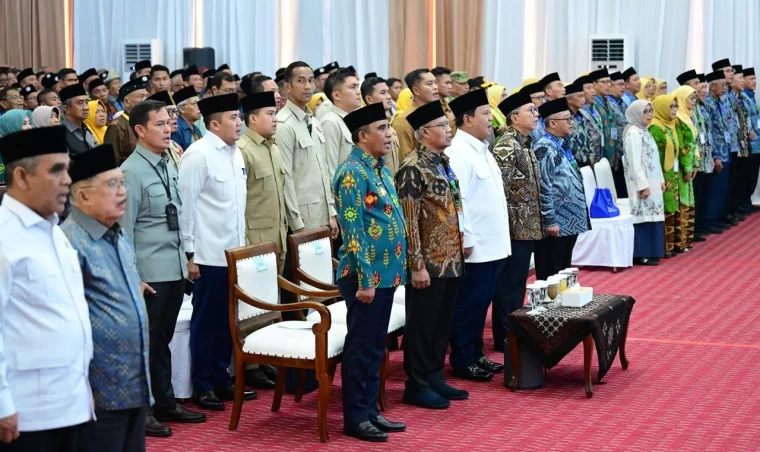
The Director General of Hajj Development at Kemenhaj, Puji Raharjo, explained that this system change directs the role of PPIH (the Hajj Pilgrimage Officers) to act as the primary liaison between the interests of Indonesian pilgrims and service providers in Saudi Arabia. This statement was conveyed by Puji in a press release on Wednesday, November 18, 2026, during the Training of Trainers (ToT) for the 2027 Saudi Arabia PPIH at the Pondok Gede Hajj Dormitory in Jakarta, which ran from Monday, November 16, 2026. The training of officers at this haji dormitory facility is also aligned with the optimization of religious facilities in accordance with the agenda of Wahdah Islamiyah Holding a National Working Meeting at the Sudiang Hajj Dormitory.
As reported by Republika, Puji Raharjo emphasized the importance of haji officers' readiness in overseeing service commitments:
Generally, this year's system is much easier. However, our duty is to ensure that all agreed service commitments are truly implemented. PPIH must be able to bridge the interests of the pilgrims with the existing system in Saudi Arabia.
In addition to the syarikah service scheme, Republika noted adjustments to the pilgrim grouping pattern into groups of approximately 40 to 45 people, as well as adjustments to the murur and tanazul schemes. Puji instructed all officers to fully understand the pilgrim travel flow starting from departure in the home country, airport processes, hotels, transportation, services in Arafah, Muzdalifah, and Mina (Armuzna), through to returning to Indonesia.
Accelerating Bipih Payment Settlements and Optimizing the Regular Quota
Meanwhile, as quoted from detikHikmah, the Director General of Hajj Services at Kemenhaj, Ian Heriyawan, instructed all regional haji organizing ranks to be proactive in carrying out outreach actions to accelerate the first-stage settlement of Bipih for 1448 AH/2027 CE. This step aims to optimize the absorption of the regular Hajj quota of 203,320 pilgrims.
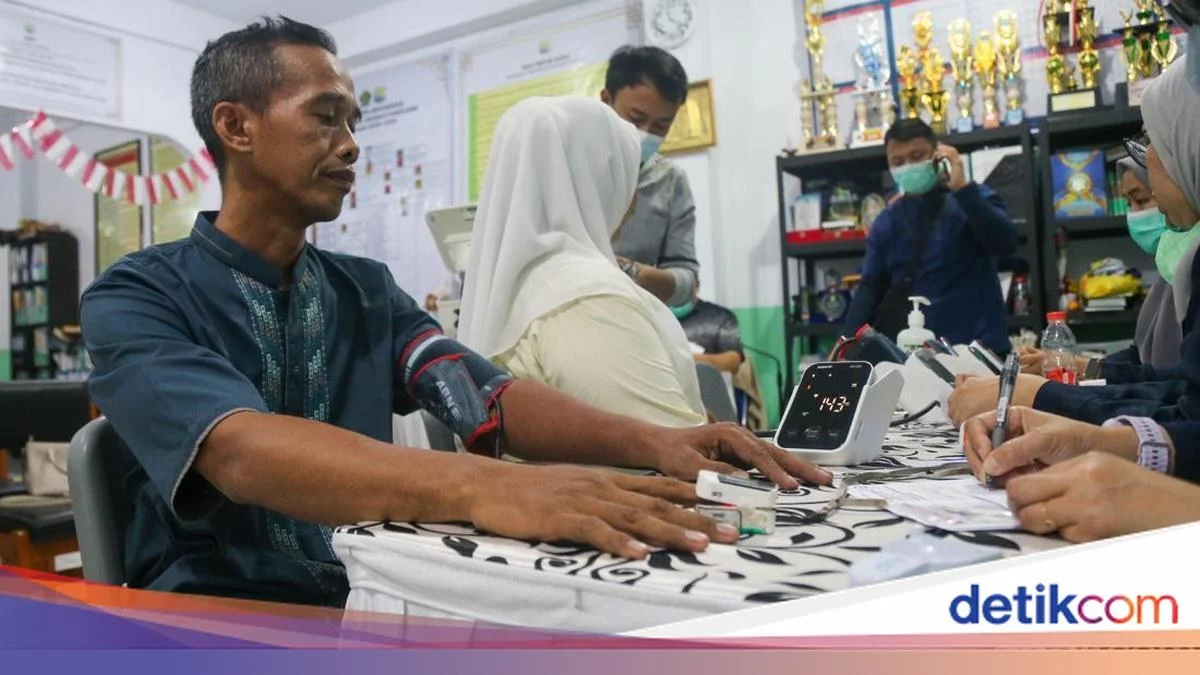
The detikHikmah report stated that the first-stage regular Bipih payment period has been running since November 10 and will end on December 10, 2026. Regional Kemenhaj officers have been asked to actively map pilgrims entitled to pay through the Siskohat (Integrated Computerized Hajj Information System) data, accelerate health istitaah (ability) verification, check National Health Insurance (JKN) membership, and intensify socialization. Discipline and financial planning for this worship are priorities for pilgrims, much like the importance of understanding before performing the pilgrimage to the Holy Land through tips and advantages of Umrah with sharia credit.
Quoted from the Kemenhaj website on Thursday, November 19, 2026, by detikHikmah, Ian Heriyawan stressed the importance of proactive solutions in accordance with regulations:
Do not just wait for the pilgrims to come. We must be proactive in identifying problems and presenting solutions. However, all steps taken must have a clear regulatory basis and be accountable administratively, financially, and legally.
Ian also instructed the implementation of the five "K" work culture values (Sincerity, Thoroughness, Earnestness, Compliance, and Cooperation) with a zero-error principle in pilgrim identity data collection in order to succeed in the 2027 Hajj organization and realize the Hajj Tri Success.
The Value of Taqwa in Serving the Guests of Allah
According to the Republika report, Director General of Hajj Development Puji Raharjo reminded that the task of serving pilgrims requires patience, discipline, and the ability to control emotions amidst the diverse characteristics of pilgrims and field dynamics. Puji linked these officer characteristics to the values of taqwa (piety) in the Qur'an, including the ability to give sadaqah in both ease and hardship and to restrain anger.
This approach affirms that the administration of the Hajj pilgrimage is not merely the completion of administrative duties, but a noble service mandate grounded in values of sincerity, legal compliance, and patience for the safety and comfort of Indonesian haji pilgrims.