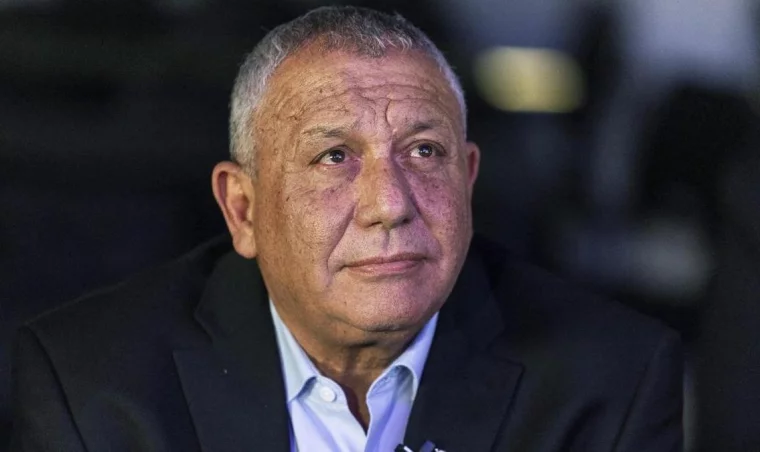

Netanyahu and Eisenkot Coalition Talks End Without a Deal
Coalition government talks between Israeli Prime Minister Benjamin Netanyahu's Likud party and Gadi Eisenkot's opposition Yashar party ended without a deal.
 Portal Islam



This article was first published in Indonesian. Baca versi Bahasa Indonesia →
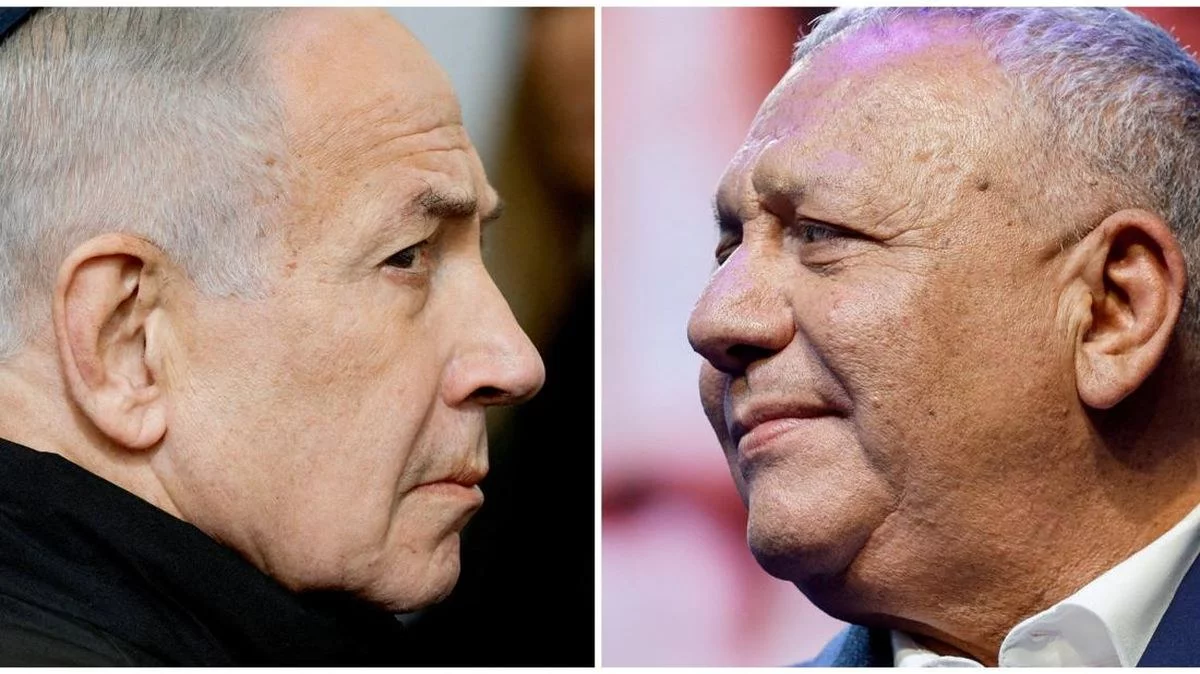
Efforts to form a coalition government between Israeli Prime Minister Benjamin Netanyahu's Likud party and Gadi Eisenkot's opposition Yashar party have reportedly ended without an agreement following a round of negotiations, as cited from ANTARA and international media reports.
Delegates from both parties met for four hours on Sunday (Nov 22). However, the meeting failed to yield any agreements regarding the potential formation of a coalition government in Israel.
Meeting Details and Divergent Views
According to a CNN Indonesia report cited on Monday (Nov 23, 2026), the delegation meeting took place in Tel Aviv. Meanwhile, Al Jazeera reported that the gathering was held at a hotel in Herzliya on Sunday.
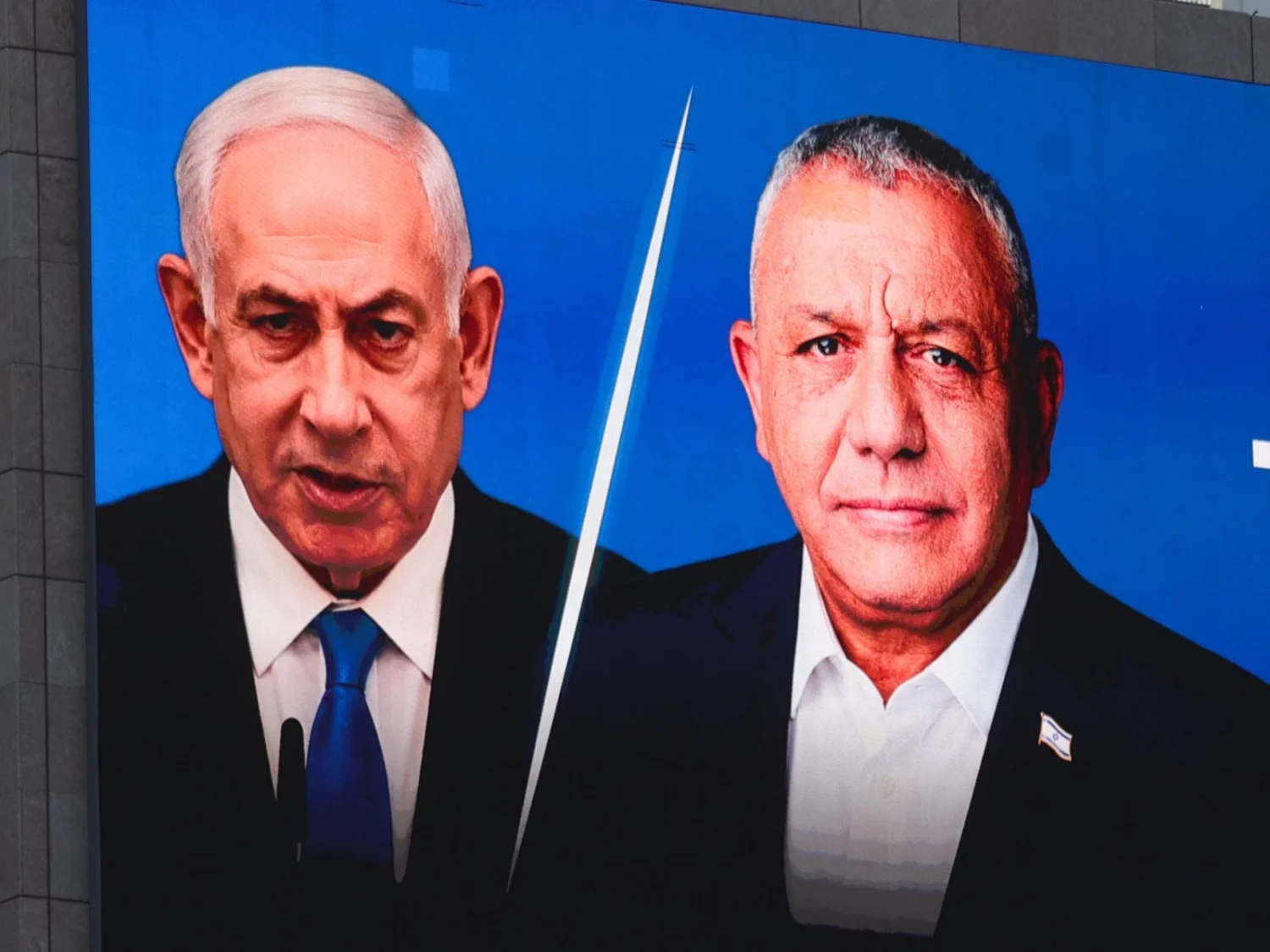
In a joint statement quoted from AFP and Al Jazeera, both sides announced that the latest round of coalition talks had concluded. They outlined their stances on various substantive issues and discussed them in detail. Follow-up meetings are planned, although specific times and locations have yet to be finalized.
Al Jazeera, citing Israeli television channel Channel 12, reported that representatives from Likud and Yashar disagreed on who would lead the next government and whether far-right National Security Minister Itamar Ben-Gvir should be included. The newspaper Yedioth Ahronoth noted that Likud wants Ben-Gvir in the government, while Yashar insists he be excluded.
Conditions and Israel's Political Dynamics
Gadi Eisenkot faces a deadline until December 6 to form a government after October's elections failed to deliver an absolute majority for any single bloc. According to CNN Indonesia, the opposition bloc secured 48 seats, Netanyahu's bloc secured 53 seats, and Arab parties won 19 seats. Meanwhile, Al Jazeera reported that Eisenkot's bloc fell 13 seats short of a majority.
Netanyahu's party laid down several conditions should the two blocs merge, including a rotation of the prime minister position, an end to personal attacks, uniting factions that support Israel's existence without the participation of Arab parties, rejecting the formation of a Palestinian state, and maintaining Israeli control over territories in Syria, Lebanon, and the Gaza Strip. On the other hand, Eisenkot reportedly rejected the rotation, while Netanyahu insisted on holding the prime minister position first.
Wisdom and Reflection
When addressing political dynamics and human leadership affairs, Islam consistently teaches the importance of prioritizing the principles of consultation (shura), justice, and the common good to prevent oppression and corruption on earth.
وَالَّذِيْنَ اسْتَجَابُوْا لِرَبِّهِمْ وَاَقَامُوا الصَّلٰوةَۖ وَاَمْرُهُمْ شُوْرٰى بَيْنَهُمْۖ وَمِمَّا رَزَقْنٰهُمْ يُنْفِقُوْنَ ۚ ﴿٣٨﴾
And those who have responded to their lord and established prayer and whose affair is [determined by] consultation among themselves, and from what We have provided them, they spend.
Qur'an, Surah Ash-Shura [42]: 38 (Sahih International)
As Muslims, we continually pray for the safety of the oppressed in all parts of the world and invoke Allah to resolve every affair through paths of peace and truth.