Israeli Opposition Leader Eisenkot Moves to Form Emergency Cabinet
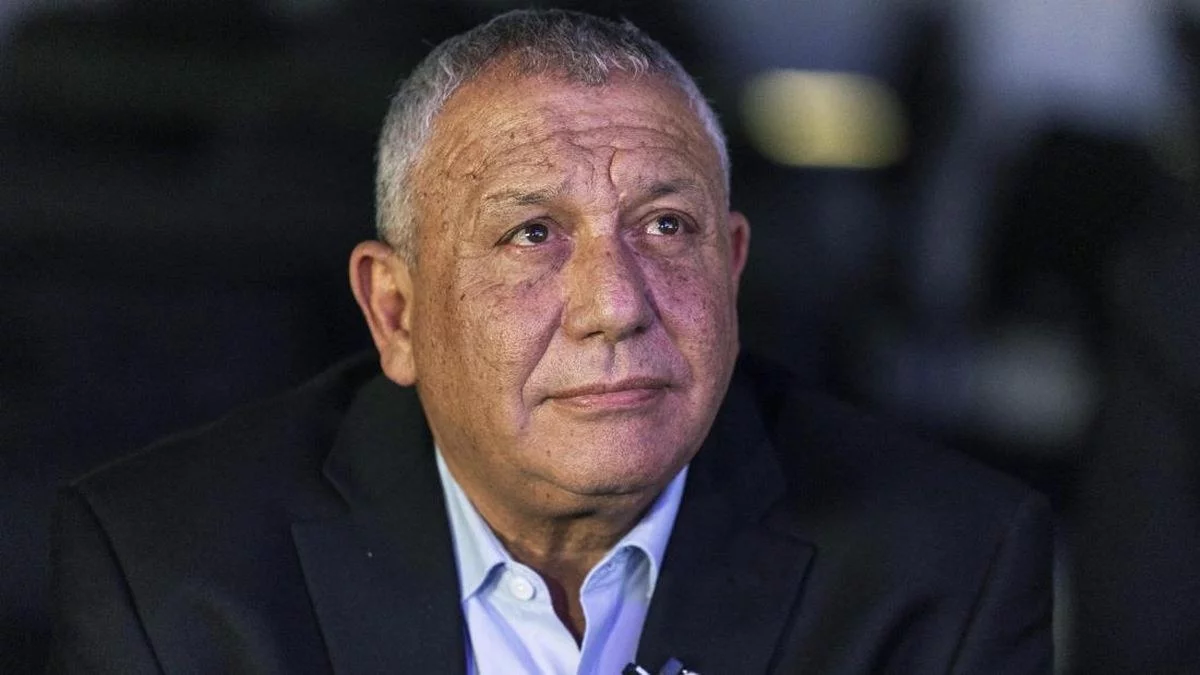
Israeli opposition leader Gadi Eisenkot prepares to form an emergency government amid deadlocked negotiations and political rivalry with Benjamin Netanyahu.
 Portal Islam

This article was first published in Indonesian. Baca versi Bahasa Indonesia →
Political dynamics in Israel have intensified ahead of the December 6, 2026 deadline to form a new government. Gadi Eisenkot, leader of the opposition Yashar party, stated that he would form an emergency government if cabinet negotiations reach a deadlock with the coalition of incumbent Prime Minister Benjamin Netanyahu, as reported by CNN Indonesia on Friday, November 21, 2026.
Meanwhile, according to a report by Al Jazeera on the same day, efforts to form a government have been marred by internal divisions within the opposition camp itself, alongside political maneuvers by Netanyahu to maintain his influence amid domestic crisis and regional conflicts, including those directly impacting civilians in Gaza.
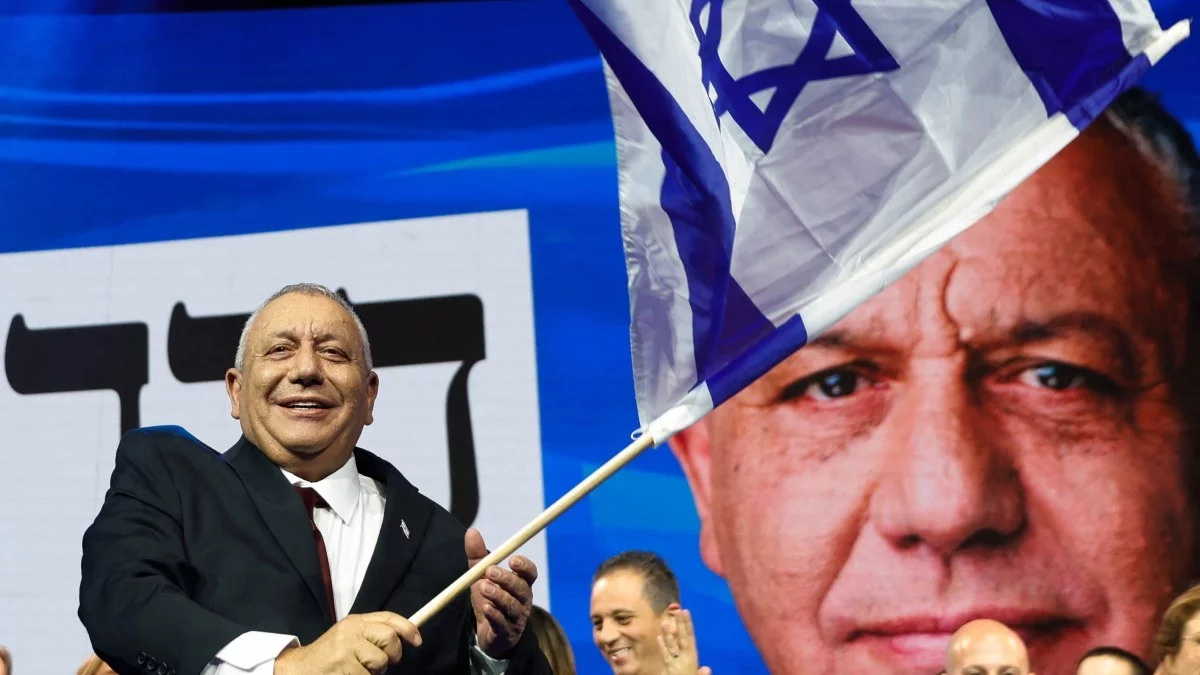
Coalition Options and Plans for an Emergency Cabinet
Gadi Eisenkot outlined several available options in a post on his official social media account. He mentioned the possibility of forming a coalition with ultra-Orthodox parties, as well as a unity government alongside Netanyahu's Likud party. However, he also stressed his readiness to pursue an alternative path if those efforts hit a standstill.
"If the earnest effort I lead to form a broad government bears no fruit, I intend to form a national emergency government—a government that I will work to expand, both before and after its swearing-in,"
Gadi Eisenkot (Quoted by CNN Indonesia)
Citing a report by The Times of Israel rebroadcast by CNN Indonesia, Eisenkot appeared to confirm plans to submit a new government for a vote in the Knesset (the Israeli parliament) before the initial government-building mandate expires on December 6. The consequence of this move is the potential necessity of proposing a minority government reliant on the support or abstention of Arab parties, such as the two-party Arab coalition Joint List and Ra'am, which secured 18 seats in parliament.
Nevertheless, Eisenkot made hardly any detailed mention of the Arab parties in his post. In contrast, Netanyahu has persistently labeled lawmakers from Ra'am and the Joint List as "terrorist supporters" and viewed them as threats to national security.
Internal Opposition Divisions and Secret Meetings
Meanwhile, Al Jazeera's report highlighted maneuvers by caretaker Prime Minister Benjamin Netanyahu, who is seen as seeking to exploit divisions within the opposition "change" bloc. On Wednesday, Netanyahu held an unannounced two-and-a-half-hour meeting with prominent opposition figure and former prime minister Naftali Bennett.
Netanyahu's office described the meeting as a "security briefing." However, sources within the Eisenkot-led opposition alliance characterized it as a "divide-and-conquer strategy." Bennett reportedly did not inform Eisenkot about the meeting beforehand, and during a subsequent internal opposition meeting, Bennett instead argued for exploring a unity government with Netanyahu.
"Netanyahu is trying to divide the change bloc through Bennett," a senior official in Eisenkot's alliance told news outlet Ynet, as reported by Al Jazeera.
Ideological Differences and Parliamentary Support Challenges
Eisenkot faces the daunting task of securing an additional 13 seats to achieve a parliamentary majority. His bloc currently holds only 48 of the 120 Knesset seats following elections held on October 27. This challenge is further compounded by the broad ideological spectrum among coalition leaders:
- Gadi Eisenkot and Yair Lapid are known as relatively centrist figures.
- Naftali Bennett and Avigdor Lieberman occupy the right-wing spectrum, with sharp differences regarding religious issues.
- Yair Golan hails from the left wing, openly criticizing settlement policies in the West Bank and supporting a two-state solution.
Golan previously expressed openness to forming a government supported by parties representing Palestinian citizens of Israel. However, that idea was flatly rejected by most other members of the opposition bloc, drawing fierce condemnation from right-wing groups opposed to any involvement of Arab politicians in governance.
On the other hand, Avigdor Lieberman—who leads the Yisrael Beytenu party with seven seats—swore to firmly reject any minority government dependent on Arab support. However, Lieberman has reportedly softened his stance on military draft exemptions for ultra-Orthodox men in an effort to bring onboard the 13 seats held by ultra-Orthodox parties such as Shas and United Torah Judaism.
An Islamic Perspective on Conflict and Uncertainty
As Muslims, we are taught to observe global developments with composure, prioritize values of justice, and seek protection from Allah against the oppression of those who spread corruption on earth. Political turmoil at the elite level often reflects mere power struggles, whereas human suffering must always remain our paramount concern.
In confronting global uncertainties and international political dynamics, Islam constantly reminds us of the importance of relying upon the decree of Allah, maintaining sincerity, and increasing good deeds.
وَلَا تَهِنُوْا وَلَا تَحْزَنُوْا وَاَنْتُمُ الْاَعْلَوْنَ اِنْ كُنْتُمْ مُّؤْمِنِيْنَ ﴿١٣٩﴾
So do not weaken and do not grieve, and you will be superior if you are [true] believers.
Qur'an, Surah Aal-i-Imraan [3]: 139 (Sahih International)
May Allah protect Muslims wherever they are, grant peace, and extend help to those oppressed by prolonged conflict.