PNM Expands 8% Mekaar Financing Nationwide for Women
PT Permodalan Nasional Madani expands its Mekaar 8% financing program nationwide, targeting 1.7 million underprivileged women entrepreneurs by late 2026.
 Portal Islam



This article was first published in Indonesian. Baca versi Bahasa Indonesia →
PT Permodalan Nasional Madani (Persero) (Indonesia's state-owned ultra-micro financing agency), known as PNM, remains committed to expanding affordable financing access for underprivileged women across the country. According to media reports gathered on Thursday, November 13, 2026, PNM has now officially implemented its Mekaar financing program with an 8 percent interest rate nationwide, targeting 1.7 million customers by the end of the year.
This strategic step began with a piloting phase across 10 Mekaar Unit locations distributed throughout Java, Sumatra, Sulawesi, Kalimantan, and Bali starting September 3, 2026. According to reports from Republika and ANTARA, this initial phase utilized internal company funds to test public response and evaluate service readiness before rolling out the program on a broader scale.
Government Collaboration and Launch in Batam
The development of this financing initiative subsequently gained support through a collaboration between PNM, the Coordinating Ministry for Economic Affairs, and the Ministry of Cooperatives and SMEs under the KPPS program. While the pilot phase relied entirely on PNM's internal budget, the KPPS program utilizes government program credit distributed to customers in accordance with established provisions.
Effective November 10, 2026, coinciding with Heroes' Day (Hari Pahlawan) commemorations, the program's implementation was marked by the disbursement of financing to PNM Mekaar customers in Batam, Riau Islands. The event was witnessed by the Deputy Minister for Coordinating Economic Affairs of the Republic of Indonesia, Dradjad Hari Wibowo. Batam was chosen due to its strategic position bordering Singapore directly and its vital role in regional economic activity.
Empowerment Commitment and Business Ecosystem
PNM President Director Kindaris stated that the journey from the piloting stage to national implementation is a tangible manifestation of the company's commitment to presenting inclusive economic opportunities. As quoted from ANTARA and Republika, he emphasized that this figure reflects real opportunities for ultra-micro women entrepreneurs.
“Eight percent is not just a figure for lowering interest rates, but a manifestation of efforts to present more affordable economic opportunities for underprivileged women. We started with piloting using our own resources, then expanded our steps through government collaboration,” said Kindaris as reported.
PNM President Director, Kindaris
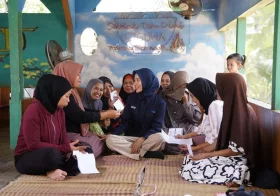
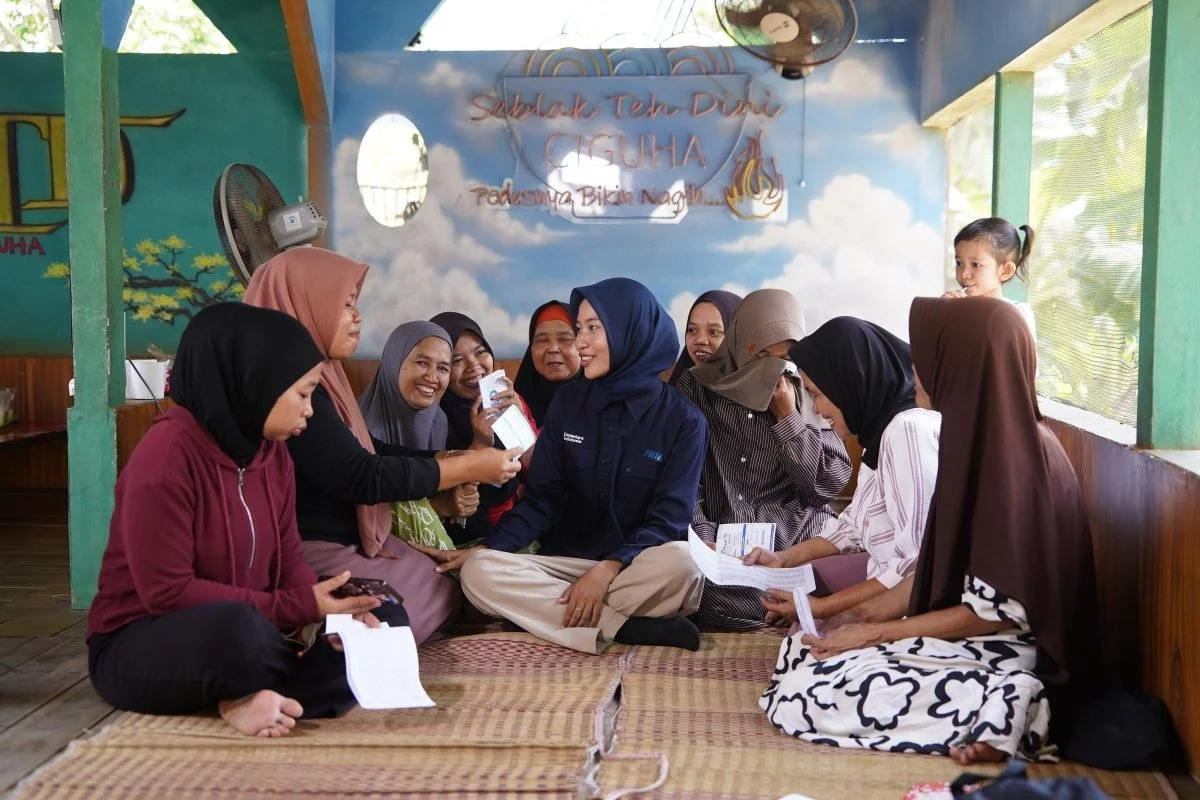
Beyond capital distribution, PNM also equips this program with an empowerment ecosystem through business mentoring and capacity strengthening via Weekly Group Meetings (Pertemuan Kelompok Mingguan, PKM). This approach is expected to maintain business sustainability while improving women's welfare and capability in managing family economies.
As part of the program's expansion series, the grand inauguration of the KPPS is scheduled to take place in December 2026. This momentum is expected to further strengthen financial inclusion for underprivileged communities across various regions in Indonesia.
An Ethical Economic Perspective
From an Islamic perspective, muamalah activities and the development of community economics are consistently encouraged to be conducted based on the principles of justice, mutual assistance in goodness, and avoiding harmful elements such as usury (riba), uncertainty (gharar), and gambling (maysir). Efforts to expand fair capital access that ease the burden on ultra-micro and underprivileged business actors align with the spirit of blessing family economic empowerment.
يٰٓاَيُّهَا الَّذِيْنَ اٰمَنُوْا لَا تُحِلُّوْا شَعَاۤىِٕرَ اللّٰهِ وَلَا الشَّهْرَ الْحَرَامَ وَلَا الْهَدْيَ وَلَا الْقَلَاۤىِٕدَ وَلَآ اٰۤمِّيْنَ الْبَيْتَ الْحَرَامَ يَبْتَغُوْنَ فَضْلًا مِّنْ رَّبِّهِمْ وَرِضْوَانًا ۗوَاِذَا حَلَلْتُمْ فَاصْطَادُوْا ۗوَلَا يَجْرِمَنَّكُمْ شَنَاٰنُ قَوْمٍ اَنْ صَدُّوْكُمْ عَنِ الْمَسْجِدِ الْحَرَامِ اَنْ تَعْتَدُوْاۘ وَتَعَاوَنُوْا عَلَى الْبِرِّ وَالتَّقْوٰىۖ وَلَا تَعَاوَنُوْا عَلَى الْاِثْمِ وَالْعُدْوَانِ ۖوَاتَّقُوا اللّٰهَ ۗاِنَّ اللّٰهَ شَدِيْدُ الْعِقَابِ ﴿٢﴾
O you who have believed, do not violate the rites of Allah or [the sanctity of] the sacred month or [neglect the marking of] the sacrificial animals and garlanding [them] or [violate the safety of] those coming to the Sacred House seeking bounty from their Lord and [His] approval. But when you come out of ihram, then [you may] hunt. And do not let the hatred of a people for having obstructed you from al-Masjid al-Haram lead you to transgress. And cooperate in righteousness and piety, but do not cooperate in sin and aggression. And fear Allah; indeed, Allah is severe in penalty.
Qur'an, Surah Al-Maaida [5]: 2 (Sahih International)
For MSMEs (UMKM, Indonesia's micro, small, and medium enterprises) and Muslim families wishing to explore further the importance of financial literacy and inclusion in accordance with sharia principles, readers can review the discussion on strengthening financial literacy through OJK and ICMI Strengthen Expansion of Sharia Financial Inclusion and Literacy in Indonesia. May these steps in grassroots economic empowerment continuously bring blessings and wide-ranging benefits to the ummah.