The Wonders of Herbal Medicine in Islamic Health
Explore the wonders of herbal medicine through the lens of Islamic health, covering natural healing, holistic wellness, and sunnah practices.
 Portal Islam




This article was first published in Indonesian. Baca versi Bahasa Indonesia →
Herbal medicine has been an integral part of healing traditions since ancient times. Within the perspective of Islamic health, herbal remedies are regarded as natural gifts bestowed by Allah. This article explores the wonders of herbal medicine through an Islamic health framework, uncovering its health benefits and its impact on the daily lives of Muslims.
The Wonders of Herbal Medicine in Islam
In Islam, the human body is considered a trust (amanah) from Allah that must be carefully preserved and maintained. Herbal medicine is viewed as an effective method for maintaining physical well-being and curing illnesses. In the Qur'an, Allah states, "And in yourselves [are signs], then will you not see?" (QS. Al-Mu'minun: 21). This verse points to the wonders embedded within human creation and the natural provisions reflecting the power of Allah.
Health Benefits of Herbal Medicine
Herbal treatments offer numerous health benefits for human beings. Below are several advantages of herbal medicine from an Islamic health perspective:
1. Natural and Blessed
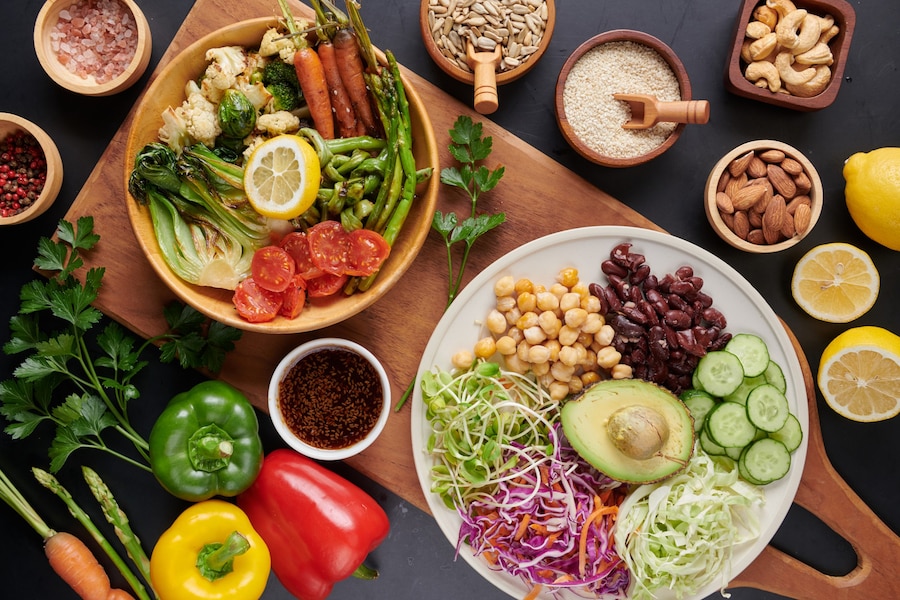
Herbal remedies utilize natural ingredients derived from plants, fruits, spices, and other natural resources. These treatments are considered effective because they contain various natural active compounds that provide healing benefits without harmful side effects. Within Islamic health teachings, the use of herbal medicine is also seen as a blessing from Allah granted to humankind.
2. Alignment with Human Nature (Fitrah)
Herbal treatments are believed to align with human nature because they rely on natural substances present in our surrounding environment. Human beings were created in harmony with nature, and the use of herbal remedies strengthens this harmonious bond. This aligns with Islamic teachings that emphasize the importance of preserving ecological balance and interacting wisely with the environment.
3. Holistic Healing
Herbal medicine in the Islamic health perspective does not focus solely on physical recovery; rather, it emphasizes holistic healing that encompasses spiritual, mental, and emotional dimensions. Beyond addressing symptoms of illness, herbal remedies encourage overall health maintenance, bodily equilibrium, and an enhanced quality of life.
4. Following the Sunnah
Herbal medicine also connects to the sunnah practices of the Prophet Muhammad ﷺ. The Prophet frequently utilized natural remedies in healing and recommended the benefits of medicinal plants to his followers. In Islamic health, utilizing herbal medicine is an encouraged practice that brings spiritual reward as a way of following the footsteps of the Prophet.
The Influence of Herbal Medicine on the Daily Lives of Muslims
Herbal remedies within Islamic health play a significant role in the everyday lives of Muslims. These influences include:
1. Health Maintenance
Integrating herbal treatments into a wellness routine assists Muslims in preserving their health. By consuming beneficial herbal infusions, engaging in herbal therapies, and applying healthy lifestyles rooted in Islamic teachings, Muslims can maintain their fitness and prevent disease.
2. Natural Disease Treatment
Herbal medicine provides an alternative natural remedy for Muslims facing various ailments. In Islam, there is the conviction that Allah has provided a diverse array of medicinal plants to treat illnesses. By utilizing herbal medicine, Muslims can experience natural healing benefits without excessive reliance on chemical drugs.
3. Connection with Nature
Herbal remedies also strengthen a Muslim's connection to the natural world. In Islam, nature is regarded as a sign of the greatness of Allah. By making use of herbal medicine, Muslims gain a deeper understanding of the bounties created by Allah throughout the universe, which in turn fosters environmental stewardship and conservation.
Conclusion
Herbal medicine within the framework of Islamic health brings remarkable benefits for healing and wellness. By utilizing the natural ingredients provided by Allah, herbal treatments offer wide-ranging benefits for the physical, mental, and spiritual well-being of Muslims. Herbal medicine also reflects Islamic teachings regarding the preservation of the body as a trust, alignment with human nature, and adherence to the sunnah of the Prophet Muhammad ﷺ. In daily life, herbal remedies play a vital role in health preservation, disease recovery, and deepening the connection between Muslims and the natural world.