Anxiety in Islam: 6 Practical Ways to Find Peace
Discover how Islamic practices like tawakkal, du'a, dhikr, and Qur'anic reflection can help you overcome anxiety and find lasting peace in modern life.
 Portal Islam




This article was first published in Indonesian. Baca versi Bahasa Indonesia →
Anxiety is a common struggle in today's fast-paced, high-pressure world. Yet, Islam offers a deeply effective approach to managing anxiety and finding inner peace in daily life. By combining core Islamic beliefs with practical routines, believers can navigate stressful moments with greater calm and clarity. Grounding ourselves in Islamic practices allows us to approach life's challenges with resilience and a sense of purpose.
Tawakkal (Trust in Allah): The Foundation of Peace
In Islam, tawakkal means placing complete trust and reliance in Allah. Remembering that everything occurs by His permission helps ease chronic worry. Trusting Allah gives us faith that He will grant the best outcome and protect us in every situation.Du'a and Dhikr: Direct Communication with the Creator
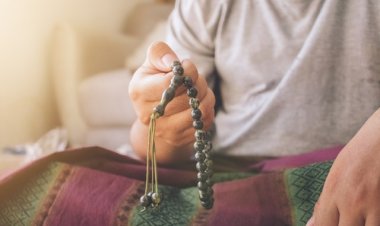
Islam emphasizes du'a (supplication) and dhikr (remembrance of Allah) as direct lines of communication with Allah. When feeling anxious, turning to Him for guidance, protection, and strength provides immediate relief. Regular dhikr reassures the heart, reminding us that Allah is always near and aware of our struggles.Gleaning Wisdom from the Qur'an: A Source of Inspiration
The Qur'an serves as an enduring guide for peace and reflection. Studying verses that highlight Allah's power, mercy, and wisdom brings comfort during distressing times. Through the Qur'an, we also discover inspiring examples of patience, serenity, and trust demonstrated by the prophets.Following the Sunnah of the Prophet: A Model of Serenity
The Prophet Muhammad ﷺ serves as the ultimate example for Muslims. In moments of hardship and anxiety, we can emulate his patience, tranquility, and unwavering reliance on Allah. Living by his example brings emotional stability and spiritual balance.Maintaining Balance in Everyday Life
Islam encourages a holistic and balanced lifestyle. Structuring daily life to balance worship, work, rest, and social relationships is vital for mental and emotional well-being. Keeping this equilibrium prevents burnout and reduces overwhelming stress.Fostering Personal Growth Through Worship and Knowledge
Self-improvement is an essential aspect of Islamic teaching. Through consistent worship and the pursuit of beneficial religious knowledge, we strengthen our faith, refine our character, and diminish anxiety. Developing ourselves spiritually equips us to face life's uncertainties with confidence.
In a world filled with constant pressure, Islam provides timeless spiritual tools to overcome anxiety and cultivate serenity. By integrating tawakkal, prayer, dhikr, Qur'anic reflection, the sunnah, balanced living, and continuous personal growth, we can navigate difficulties with hope and resilience. Managing anxiety is an ongoing journey, but anchoring our lives in Islamic teachings brings lasting peace and profound meaning.