Borneo Forest Fires: Causes, Impacts, and Prevention
Learn about the causes, health impacts, and environmental consequences of forest and land fires in Borneo, along with essential prevention methods.
 nurhikmanh



This article was first published in Indonesian. Baca versi Bahasa Indonesia →
Understanding Forest and Land Fires in Borneo
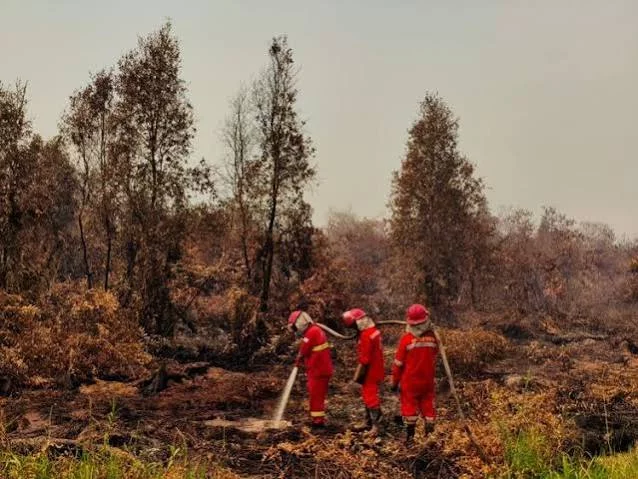
Forest and land fires, known locally as karhutla, involve the burning of vegetation, brush, trees, and land within a specific area. These incidents not only destroy forest cover but also disrupt the surrounding ecosystem's balance.
In Borneo, the presence of extensive forests and peatlands requires special attention when managing fires. Flames can spread across the surface, while fires in certain peat layers can also travel underground.
This situation demonstrates that forest fires in Borneo are not merely local disasters. Smoke can travel with the wind, whereas damage to soil, water, and habitats takes time to recover.
Causes of Forest Fires in Borneo
Forest fires can ignite when a source of fire meets flammable materials under supportive environmental conditions. Dry weather, human activity, and land characteristics are critical factors in understanding wildfire risks.
Dry Weather and the Dry Season
Low rainfall can dry out vegetation, leaf litter, and organic matter on the soil surface. Such conditions make fires easier to ignite and spread if an ignition source is present.
BMKG (Indonesia's Agency for Meteorology, Climatology, and Geophysics) warns that dry atmospheric conditions and drought can increase the potential for wildfires. Risks also require careful attention in peatland areas experiencing dryness. Source: BMKG.
Human Activity and Ignition Sources
Human activities can trigger fires through the uncontrolled use of fire or negligence in vulnerable areas. However, the cause of each incident must be examined based on evidence and investigation results rather than assumptions.
Several important preventive measures include:
- Refraining from burning land to clear new areas.
- Not carelessly discarding cigarette butts in dry areas.
- Ensuring campfires are completely extinguished after use.
- Not leaving fire sources near dry vegetation.
These habits help reduce actual preventable ignition sources. The public also needs to promptly report signs of fire to local authorities.
Vulnerable Peatlands
Peatlands store large amounts of organic matter and play a vital role in water management and carbon storage. When peat dries out, the organic material within it becomes much easier to burn.
Peat fires can travel beneath the soil surface. Consequently, flames may not always be clearly visible from above, yet they retain the potential to spread and create new hotspots.
These conditions mean that extinguishing and rehabilitating peatlands requires specialized handling. The Ministry of Forestry places water management and the rehabilitation of burned areas as vital parts of peat recovery efforts.
Environmental and Health Impacts of Forest Fires
The impacts of forest fires in Borneo do not stop at burned trees. Smoke, habitat destruction, altered soil conditions, and disrupted water management can affect human livelihoods as well as ecosystem sustainability.
Haze and Health Risks
Fire smoke can carry fine PM2.5 particulate matter and other pollutants that endanger health. Exposure to smoke risks disrupting the respiratory system, irritating the eyes, and worsening health conditions in vulnerable groups.
Children, the elderly, pregnant women, and individuals with pre-existing medical conditions require greater protection when air quality deteriorates. Kemenkes (Indonesia's Ministry of Health) also suggests reducing outdoor activities and using respirator masks such as N95 when conditions demand protection from smoke. Source: Ministry of Health.
Habitat Loss and Biodiversity Damage
Forests provide shelter, food sources, and breeding grounds for numerous animals. When fires destroy vegetation, wildlife can lose both their shelter and their food sources.
Some animals may migrate to other areas to survive. This displacement potentially increases encounters between wildlife and humans, especially when their natural habitats suffer damage.
Recurrent fires can likewise hinder ecosystem recovery. Plants, animals, and soil organisms require suitable environments for natural ecological relationships to re-establish.
Soil and Water Damage and Climate Change
The loss of vegetation cover leaves the soil surface more vulnerable to rain and erosion. Soil materials and ash can wash into rivers and affect water conditions around burned areas.
Fires also release a portion of the carbon stored within vegetation and organic matter. In peatlands, the damage can become more severe because fires concurrently disrupt carbon reserves and hydrological functions.
These impacts illustrate the close interrelationship among forests, soil, water, and climate. Therefore, post-fire recovery must account for the entire ecosystem rather than merely replanting trees.
Why Do Fire Impacts Continue After the Flames Are Extinguished?
Extinguishing a fire does not necessarily signify that an area has recovered. The environment needs time to repair the ecological functions lost during the blaze.
Several issues may persist after suppression:
- Vegetation recovery: plants require time to grow back and cover the soil surface.
- Habitat recovery: animals need suitable food sources and shelter.
- Hydrological recovery: damaged areas require proper water and vegetation management.
- Prevention of recurrent fires: lands that remain dry continue to carry the risk of burning again.
The Ministry of Forestry emphasizes the importance of wildfire control, encompassing prevention, field response, and ecosystem restoration. On peatlands, water management and revegetation form part of the rehabilitation approach.
Accordingly, successful wildfire management must be evaluated not only by the extinguishing of flames but also by efforts to reduce the risk of recurring fires and restore environmental functions.
How to Prevent Forest Fires in Borneo
Prevention must take place before fires emerge, particularly when dry weather elevates fire risks. The community can contribute through daily habits and early reporting.
Recommended steps include:
- Avoid open burning. Do not burn land or waste in areas that risk triggering fires.
- Supervise fire sources. Ensure that fires from outdoor activities are completely extinguished and never leave embers unattended.
- Monitor official information. Check weather information and wildfire potential through BMKG alongside updates on hotspots from government monitoring systems.
- Report signs of fire. Promptly contact firefighting personnel, BPBD (Regional Disaster Management Agency), or local authorities upon seeing suspicious fire or smoke.
- Support forest protection. Help share accurate prevention information and refrain from spreading unverified news.
- Prevention information must be accurate and unverified rumors should not be shared.
The Ministry of Forestry explains that hotspots detected by satellites serve as initial indicators and do not always signify confirmed fires. Consequently, such information requires follow-up through field inspections. The public can monitor related updates via the Ministry of Forestry.
Steps to Take During Haze Episodes
When haze reaches residential areas, communities need to prioritize safety and follow air quality information. Do not wait for health symptoms to appear before reducing exposure.
Practical steps that can be taken include:
- Reducing outdoor physical activity when air quality deteriorates.
- Closing doors and windows when smoke enters, and using air purifiers if available.
- Using appropriate respirators, such as N95 masks, when necessary to minimize fine particulate exposure.
- Limiting exposure for children, the elderly, pregnant women, and individuals with pre-existing conditions.
- Seeking medical help if experiencing shortness of breath, chest pain, or other severe complaints.
To determine protective measures, pay attention to guidance from local health and air quality authorities. If outdoor conditions become hazardous, follow official instructions regarding activity restrictions or evacuation.
Preserving the Environment Demands Shared Responsibility
Forest fire prevention requires cooperation among the government, communities, land managers, and businesses. Early monitoring, responsible behavior, and the restoration of affected areas must proceed sustainably.
Environmental awareness also encompasses the responsible management of business-related waste. Hazardous waste presents an issue distinct from wildfires, yet its transport and processing still demand attention to safety and environmental protection.
Through proper environmental education, communities can understand that preventing damage relies on more than disaster response alone. Daily habits, activity oversight, and adherence to environmental governance collectively support efforts to safeguard nature's sustainability.
Conclusion
Forest fires in Borneo can cause long-term impacts, ranging from haze and health disruptions to habitat loss and soil and water damage. Dry weather conditions and peatland vulnerability can magnify risks when ignition sources are present.
Wildfire prevention requires concrete action, such as avoiding open burning, supervising fire sources, monitoring official information, and promptly reporting fire indicators. Once fires are extinguished, ecosystem recovery remains an essential part of reducing recurrent fire risks.
Protecting forests means safeguarding human life, wildlife, water sources, and environmental balance. Shared care today helps preserve nature's benefits for future generations.
Read also: Environmental Impacts of AI Data Center Development