
BRIN and InJourney Revitalize Indonesia Science Center at TMII
BRIN and InJourney have partnered to revitalize the Indonesia Science Center at TMII, aiming to expand science education tourism and boost literacy.
 Portal Islam
This article was first published in Indonesian. Baca versi Bahasa Indonesia →
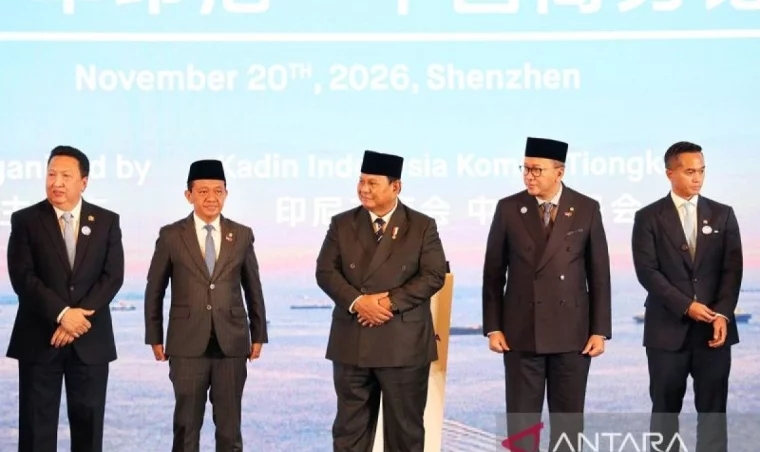
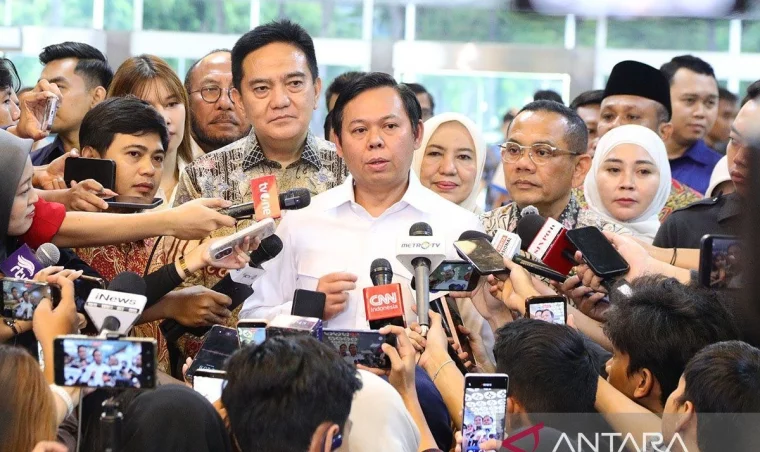
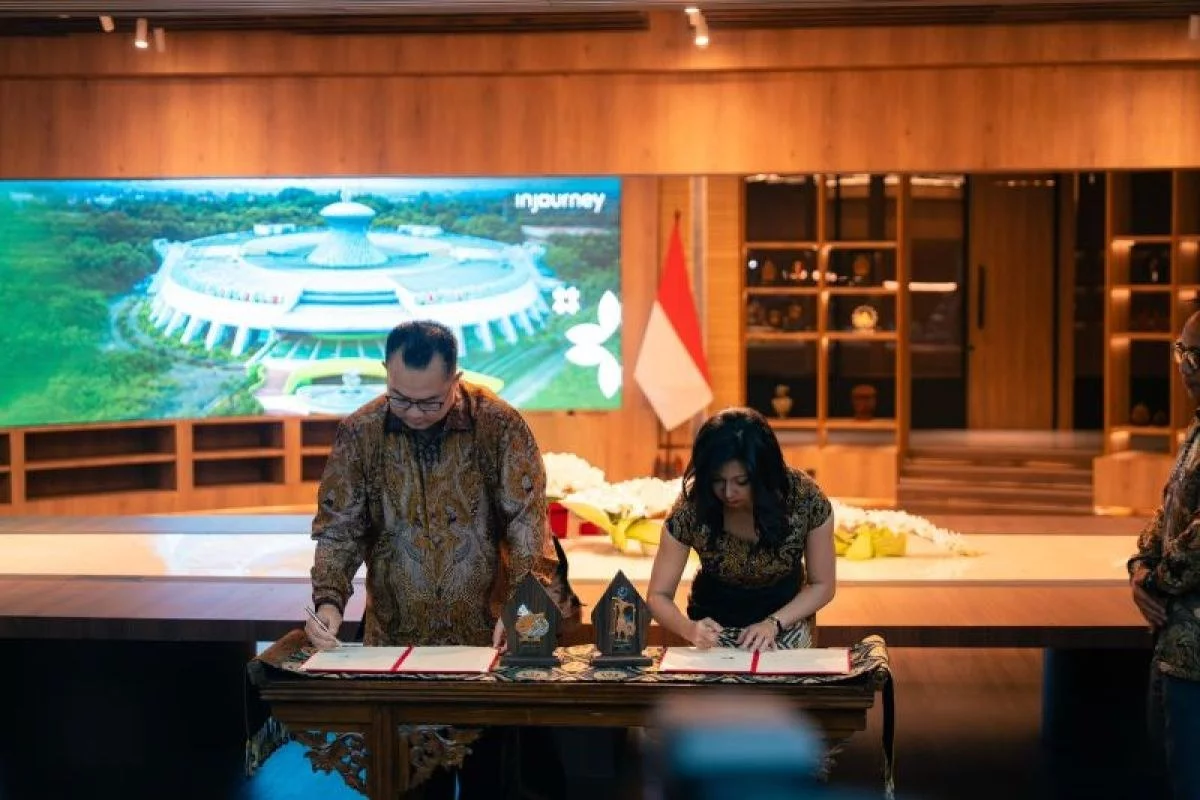
Badan Riset dan Inovasi Nasional (BRIN, Indonesia's National Research and Innovation Agency) and InJourney (PT Aviasi Pariwisata Indonesia, Indonesia's state-owned aviation and tourism holding company) have established a strategic collaboration to develop the Indonesia Science Center (ISC) at Taman Mini Indonesia Indah (TMII, a culture-based recreational park in East Jakarta). Based on a report by ANTARA (Indonesia's national news agency) on Thursday, November 26, 2026, this collaboration was marked by the signing of a memorandum of understanding between both parties as part of the national tourism destination transformation strategy.
Meanwhile, according to a report by Republika (a prominent Indonesian Islamic daily newspaper) on Thursday, November 26, 2026, the revitalization of the science center is directed at expanding science and technology-based educational tourism while enriching visitor experiences at TMII. This destination is expected to deliver added value and remain relevant to the needs of future generations.
Science-Based Educational Tourism Transformation
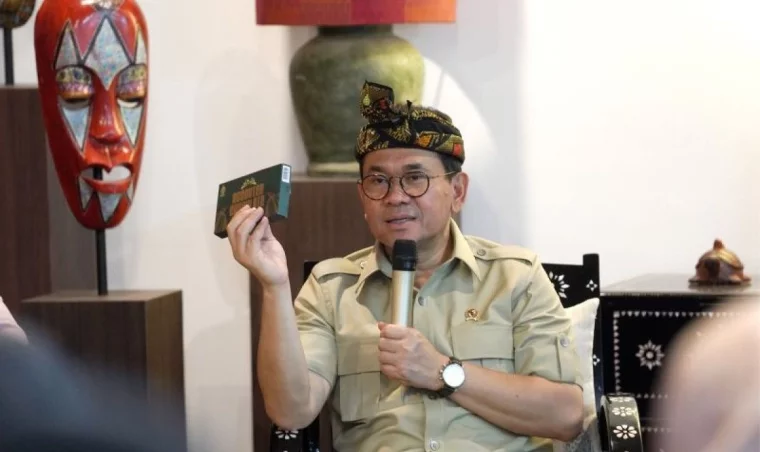
InJourney President Director Maya Watono stated in a written release cited by Republika that the development of ISC aligns with the tourism destination transformation strategy through attractions that integrate science, technology, education, and recreation. In her official statement received in Badung, Bali, and quoted by ANTARA, Maya added that this synergy brings together BRIN's research and innovation strengths with InJourney's capabilities in destination development.
"The development of ISC is expected not only to strengthen TMII's appeal as an educational tourism destination, but also to open opportunities for developing science and technology-based attractions across various tourism destinations within the InJourney ecosystem," Maya said, as reported by Republika and ANTARA.
Furthermore, Maya explained that science-based tourism serves as an approach to create added value for destinations. In this development, her party is also referencing several international science centers, such as the Shanghai Science and Technology Museum in China, the National Museum of Emerging Science & Innovation in Japan, and Science Centre Singapore, while still maintaining Indonesia's identity and richness.
Natural Exploration Concept and Indonesian Characteristics
BRIN Head Arif Satria stated that the development of ISC plays a strategic role in enhancing literacy and fostering public affection for science and technology as an essential capital toward becoming a developed nation. Quoted from reports by Republika and ANTARA, ISC will carry the concept of science exploration to understand the richness and natural characteristics of Indonesia as a tropical country.
This concept is considered to complement the identity of TMII, which has long been known as a showcase for the cultural diversity of the Indonesian archipelago. As conveyed by Arif Satria and quoted from ANTARA, the presence of ISC is expected to help the younger generation develop imagination, curiosity, and creativity to produce various innovations that benefit society and environmental preservation.
History and Scope of Science Themes at TMII
The Indonesia Science Center was previously known as the Science and Technology Demonstration Center (PP-IPTEK). Based on media reports, this science center stands on a 4.23-hectare plot of land with a building area of approximately 24,000 square meters and has grown over 35 years as a vehicle for science learning in Indonesia.
Through this revitalization, attraction development is directed to cover various important themes. Based on ANTARA's report, these themes include the exploration of Indonesia's marine and forest wealth, natural and geological phenomena, to the development of artificial intelligence, robotics, as well as technology and future energy innovations. Visitors will later be able to explore, experiment, and interact directly.
Economic Perspective and Family-Friendly Tourism
From the perspective of Islamic economics, the development of public facilities and educational tourism destinations managed transparently and professionally brings benefits to society. Halal and family-friendly tourism sectors consistently prioritize values of goodness, maintain ethics, and avoid elements that damage morals or transactions containing uncertainty (gharar).
For micro, small, and medium enterprises (MSMEs) and Muslim families wishing to enjoy educational recreational facilities with their children, a deep understanding of science and technology is part of the endeavor to build an advanced civilization. As reviewed in Tips for Choosing Hotels & Lodging in Indonesian Tourist Cities, targeted and beneficial family travel planning will bring goodness and support local economic growth in a halal manner.
وَيَسْـَٔلُوْنَكَ عَنِ الرُّوْحِۗ قُلِ الرُّوْحُ مِنْ اَمْرِ رَبِّيْ وَمَآ اُوْتِيْتُمْ مِّنَ الْعِلْمِ اِلَّا قَلِيْلًا ﴿٨٥﴾
And they ask you, [O Muhammad], about the soul. Say, "The soul is of the affair of my Lord. And mankind have not been given of knowledge except a little."
Qur'an, Surah Al-Israa [17]: 85 (Sahih International)
May this collaborative step between BRIN and InJourney bring blessings and advance the quality of education and tourism in Indonesia while upholding the nation's noble values.