MUI Holds 2nd National Work Conference in Jakarta
The Indonesian Ulema Council (MUI) held its 2nd National Work Conference in Jakarta to address digital governance, Islamic education, and teacher welfare.
 Portal Islam

This article was first published in Indonesian. Baca versi Bahasa Indonesia →
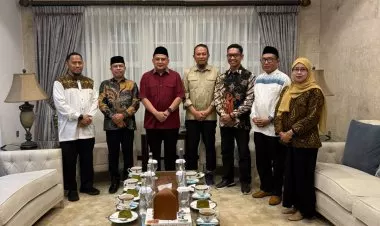
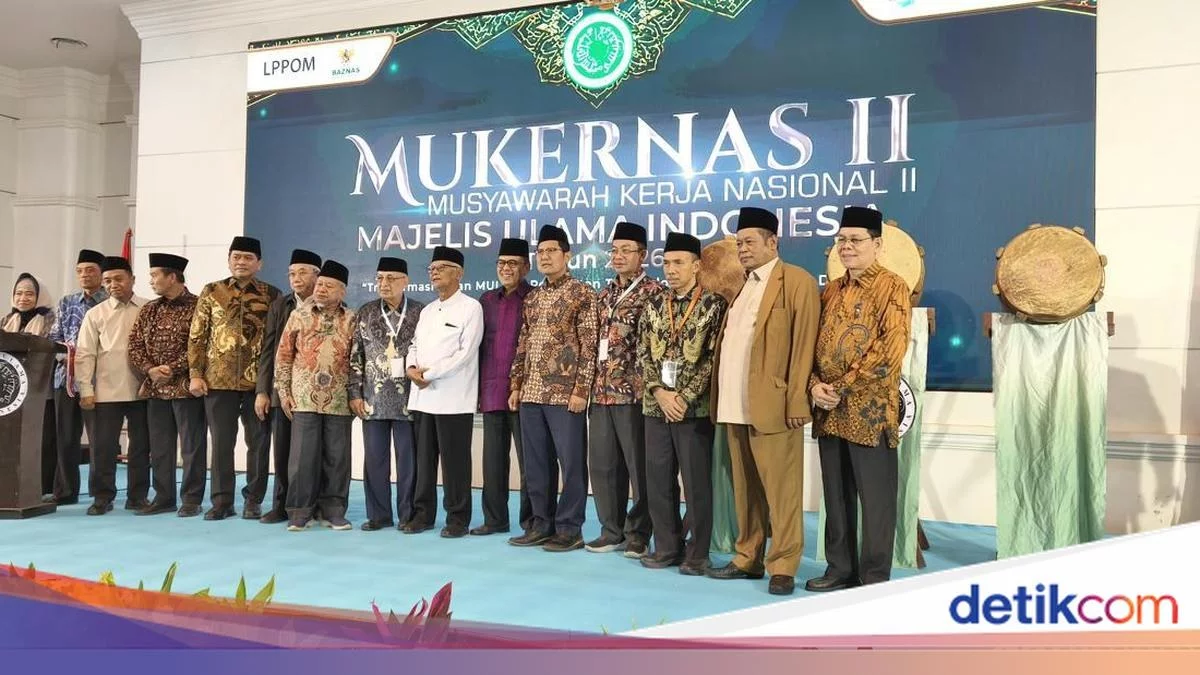
MUI (the Indonesian Ulema Council) convened its second National Work Conference (Mukernas II 2026) on Thursday, November 26, 2026, at the Tavia Heritage Hotel in Jakarta. The full-day strategic meeting was organized to formulate MUI's one-year work plan and outline policy directions to address pressing social, educational, and national issues.
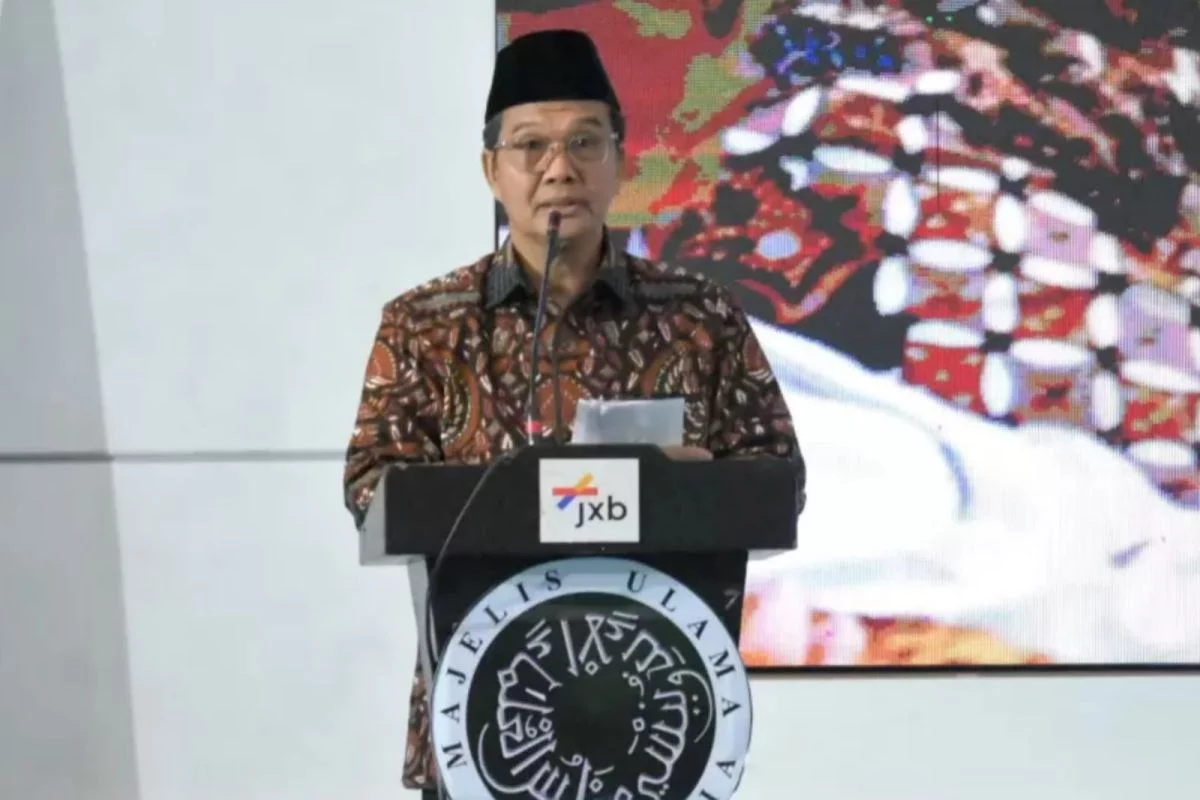
According to a report by news agency ANTARA, the conference carried the overarching theme "Transforming the Role of the Indonesian Ulema Council and Strengthening Organizational Governance in the Digital Era." Hundreds of delegates representing various leadership tiers attended the event.
Delegate Breakdown and Key Commission Focus Areas
Reports from ANTARA indicated that a total of 359 delegates participated in Mukernas II 2026, with 233 attending in person and 136 joining virtually.
Masyhuril Khamis, Chairman of the Mukernas II Steering Committee, stated that the assembly aimed to produce taujihat (strategic guidance) on critical issues affecting the Muslim community and the nation. Strategic discussions were structured into three main commissions:
- Commission A (Organization): Focused on organizational development and institutional governance, extending across central, provincial, regency/city, and sub-district levels.
- Commission B (Work Program): Evaluated the implementation of the 2026 work programs to identify achievements and challenges, while drafting the activity roadmap for 2027.
- Commission C (Recommendations): Discussed national and international affairs to formulate policy positions, strategic advice, and official declarations regarding current developments.
Spotlight on the National Education Bill and Teacher Welfare
As reported by Republika, Steering Committee Chair Buya Masyhuril Khamis urged participants to closely examine legislative debates in parliament, particularly the Draft National Education Bill (RUU Pendidikan Nasional), which directly affects the quality of education and the welfare of Islamic studies and madrasah teachers.
He emphasized that upgrading educational standards must go hand in hand with improving the livelihoods of religious educators in both public schools and madrasahs. He highlighted the persistent income inequality experienced by many madrasah teachers, whose wages remain far below adequate levels, stressing that the state should provide appropriate subsidies to support them.
Furthermore, Khamis called on delegates to scrutinize provisions regarding religious education and local belief systems within the bill to prevent curriculum confusion, linking this issue to broader discussions surrounding proposed legislation on religious freedom.
ISO-Standard Governance and Unifying the Ummah
According to DetikHikmah, Prof. Masykuri Abdillah, Vice Chairman of the MUI Advisory Board, explained that MUI's annual work programs are designed to be practical, measurable, and achievable.
"The programs for this coming year are realistic and actionable. Every work program executed by the Indonesian Ulema Council is subjected to audits based on ISO standards," Masykuri noted.
He added that MUI serves as a vital unifying force among socio-religious institutions in the country, acting as an umbrella umbrella organization for no fewer than 87 Islamic bodies across the nation, as highlighted in discussions on the largest Islamic organizations in Indonesia.
Meanwhile, Buya Dr. H. Amrisyah Tambunan, Head of the MUI Economic Empowerment Institute (LPEU), highlighted the importance of orderly administrative, organizational, and leadership governance to ensure MUI continues to deliver meaningful, responsible service to the community.