Online Loans in Islam: Are They Halal or Haram?
Explore the Islamic perspective on online loans. Understand the implications of riba, gharar, and exploitation, and learn how to identify sharia-compliant options.
 Portal Islam



This article was first published in Indonesian. Baca versi Bahasa Indonesia →
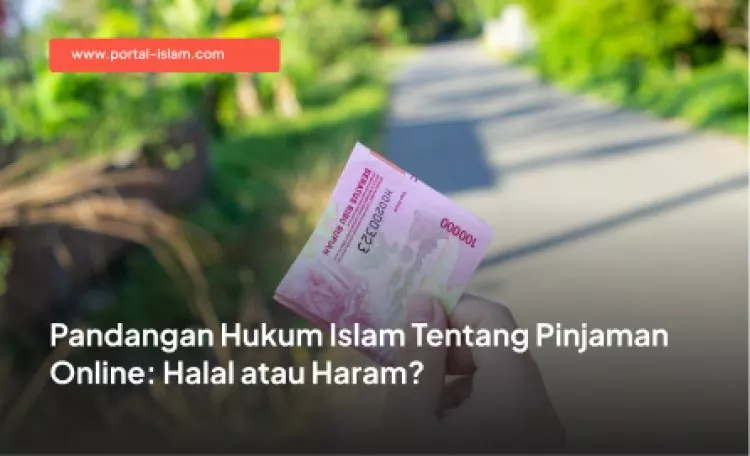
Online loans have become increasingly popular in the digital era due to their convenience. However, from an Islamic perspective, it is crucial to understand the legal status of these loans—whether they are halal (permissible) or haram (prohibited). This article explores the sharia principles related to online lending, the evidence from the Qur'an and sunnah, and guidance for Muslims.
What Are Online Loans?
Online loans are credit facilities provided by digital platforms that allow users to borrow money without going through traditional banks. While these loans offer a streamlined process, they are often accompanied by significant interest rates or additional fees.
In Islam, the legality of a loan depends on the absence of riba (usury/interest), gharar (uncertainty), and exploitation.
The Islamic Ruling on Online Loans
1. The Prohibition of Riba
Riba, or interest charged on a loan, is strictly prohibited in Islam. Allah says:
"Those who consume interest cannot stand [on the Day of Resurrection] except as one stands who is being beaten by Satan into insanity... But Allah has permitted trade and has forbidden interest."
Qur'an, Al-Baqarah: 275
Riba is a form of exploitation that harms the borrower, especially those in difficult economic conditions. The majority of online loans impose high interest rates, thus falling into the category of riba.
2. Gharar (Uncertainty)
In Islam, transactions must be free from gharar or ambiguity. The Prophet Muhammad ﷺ said:
"The Messenger of Allah forbade transactions involving gharar."
Narrated by Muslim
Some online loan providers are not transparent regarding administrative fees, interest, or late payment penalties, thereby involving elements of gharar.
3. Exploitation and Injustice
Online loans often exploit an individual's urgent needs by imposing burdensome terms. In Islam, such injustice is not permitted. Allah says:
"And do not consume one another's wealth unjustly."
Qur'an, Al-Baqarah: 188
Halal Online Loans
Not all online loans are haram. If a loan is provided without interest or additional fees that involve riba and gharar, it may be permissible. Some sharia-compliant platforms provide loans based on qardh (benevolent loans without interest) or murabahah (cost-plus financing).
Criteria for Halal Online Loans:
- Interest-Free (No Riba): There is no addition to the principal loan amount.
- Transparency: All terms and conditions are clearly explained.
- Free from Exploitation: There are no conditions that burden or disadvantage the borrower.
Guidance for Muslims Using Online Loans
- Avoid Interest-Based Loans: Choose platforms that operate according to sharia principles.
- Scrutinize Terms and Conditions: Ensure there are no elements of gharar or exploitation.
- Use Only for Emergencies: Avoid borrowing for consumptive needs or non-urgent matters.
- Prioritize Savings: Cultivate the habit of saving to avoid debt.
- Consult the Ulama: If in doubt, seek guidance from a scholar or a trusted expert in fiqh (Islamic jurisprudence).
Islamic Alternatives to Online Loans
- Qardhul Hasan: Interest-free loans provided by Islamic financial institutions.
- Sharia Cooperatives: Offering loans with contracts that comply with sharia.
- Community Social Funds: Some zakat (obligatory charity) institutions provide financial assistance to those in need.
Conclusion
Islamic law prohibits online loans that contain riba, gharar, or exploitation. As a Muslim, it is important to be cautious in selecting a lending platform and to ensure that all transactions comply with sharia. The Prophet ﷺ said:
"Whoever avoids doubtful matters has protected his religion and his honor."
Agreed upon (Bukhari and Muslim)
By understanding these guidelines, we can avoid sin and utilize financial facilities responsibly and in accordance with Islamic teachings.