Understanding Habluminallah and Habluminannas in Islam
Learn the meaning of habluminallah and habluminannas, two vital Islamic concepts teaching our relationship with Allah and fellow human beings.
 Portal Islam



This article was first published in Indonesian. Baca versi Bahasa Indonesia →
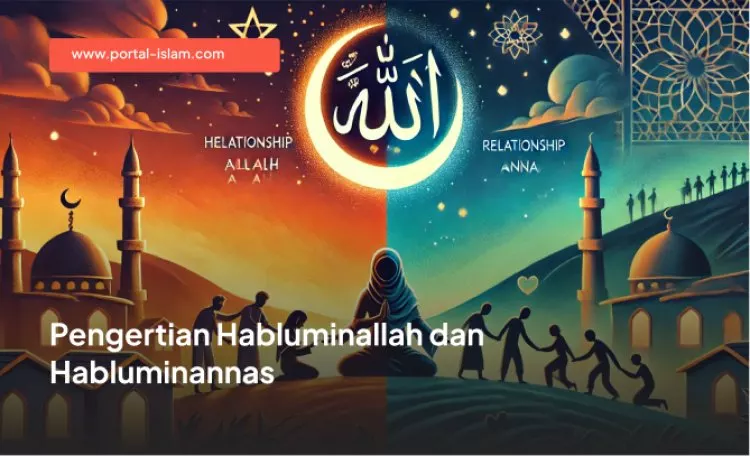
Habluminallah and habluminannas are two essential concepts in Islam that describe a person's relationship with Allah and with fellow human beings, respectively. Both complement each other in living a life as a pious Muslim. This article explains their definitions, importance, and ways to apply them in daily life based on evidence from the Qur'an and Sunnah.
1. The Meaning of Habluminallah
Habluminallah refers to a servant's relationship with Allah. This encompasses all forms of worship directed to Allah, both obligatory ones—such as salah, fasting during Ramadan, and zakat—and voluntary ones, such as dhikr, du'a, and recitation of the Qur'an.
Proper worship is an acknowledgment of Allah's oneness and total dependence upon Him. A strong connection with Allah serves as the primary foundation for a Muslim facing various trials in life.
Ways to Strengthen Habluminallah:
- Establishing Salah: The five daily prayers are the primary obligation and tangible manifestation of a Muslim's relationship with Allah.
- Reading and Reflecting on the Qur'an: The Qur'an is the guide for life that must be read, understood, and practiced.
- Expressing Gratitude and Making Du'a: Communicating with Allah through supplication and gratitude for His blessings.
2. The Meaning of Habluminannas
Habluminannas is human interaction and relationship with others. This involves treating people justly, with kindness, and without causing harm. Islam teaches that a Muslim must be an individual who brings benefit to their environment.
The Prophet Muhammad ﷺ also stated:
“A good Muslim is one from whose tongue and hands other people are safe.”Agreed upon (Bukhari and Muslim)
Ways to Strengthen Habluminannas:
- Being Good to Family and Neighbors: The Prophet emphasized the importance of maintaining good relations with neighbors and family members.
- Being Honest and Trustworthy: Honesty and reliability are core traits of a righteous Muslim.
- Helping Others: Sadaqah, infaq, and other social activities are concrete expressions of good relations with humanity.
3. The Importance of Integrating Both Concepts
Balance between habluminallah and habluminannas is crucial. A good relationship with Allah is incomplete if a Muslim neglects their relationship with fellow human beings, and vice versa.
Supporting Evidence:
“None of you truly believes until he loves for his brother what he loves for himself.”Agreed upon (Bukhari and Muslim)
This balance is reflected in obligatory acts of worship like zakat, which acts simultaneously as an expression of habluminallah (obedience to Allah) and habluminannas (care for others).
4. Examples of Implementation
Habluminallah:
- Performing salah on time.
- Fasting during the month of Ramadan.
- Avoiding major sins, such as abandoning obligatory prayers.
Habluminannas:
- Assisting neighbors in need.
- Guarding one's speech to avoid hurting others.
- Respecting the rights of others in all dealings and transactions.
Conclusion
Habluminallah and habluminannas are two main pillars in Islam that every Muslim must uphold. By strengthening our connection with Allah and maintaining goodness toward others, a Muslim can achieve a harmonious and blessed life. May we be among those capable of balancing both in our daily lives.