US Flight Grounding: Telecom Outage Tests Aging Tech System
A telecommunications system update caused a nationwide flight grounding in the US, exposing vulnerabilities in aging air traffic control technology.
 Portal Islam



This article was first published in Indonesian. Baca versi Bahasa Indonesia →
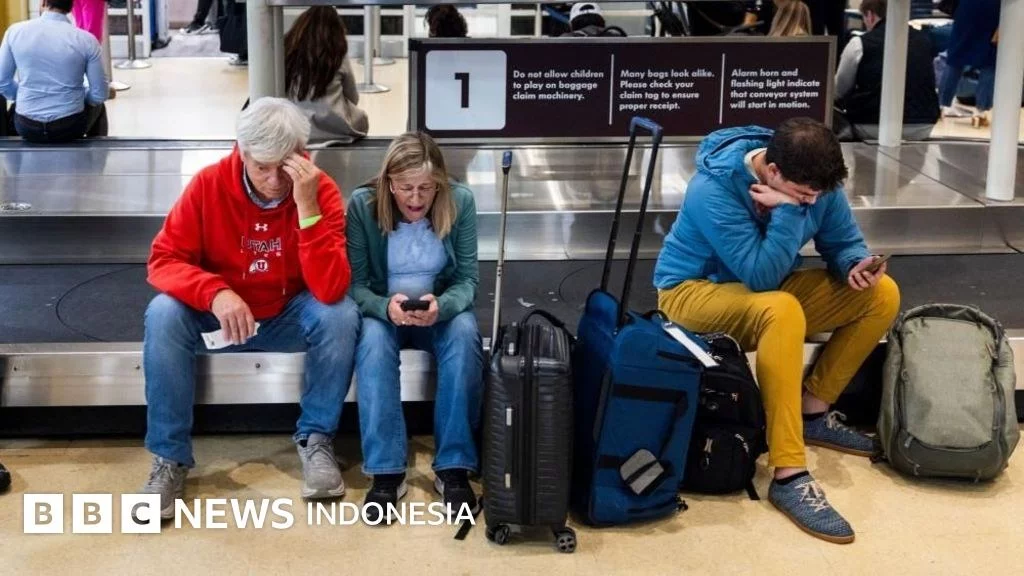
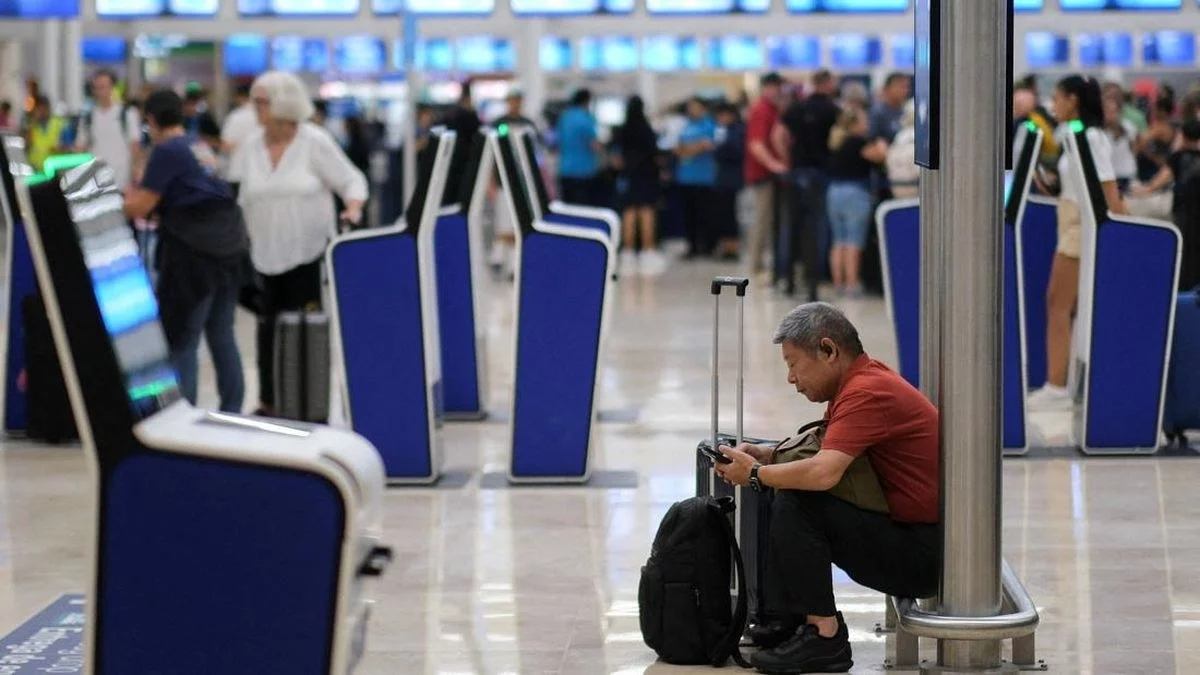
A nationwide flight grounding hit the United States on Friday (Nov 13) local time due to a massive disruption in the air traffic control telecommunications system. Emergency measures issued by the Federal Aviation Administration (FAA) halted all departing flights for more than four hours, triggering delays and cancellations for thousands of scheduled flights.
According to reports from BBC News Indonesia and CNN Indonesia, the incident represents the longest nationwide flight shutdown in the US since September 11, 2001. The disruption paralyzed domestic airports and sent shockwaves across international flight routes in Europe, Australia, and Canada.
Root Cause and Technical Issues in Aging Infrastructure
Citing BBC News Indonesia, US Transportation Secretary Sean Duffy explained on Saturday (Nov 14) that the disruption began when government contractor L3Harris carried out an aviation telecommunications network upgrade on Friday afternoon. The update involved transitioning the system from legacy copper wiring to a fiber-optic network at a remote location.
During the router installation process, the device flooded the air traffic control system by sending 1,000 connection attempts every four to five seconds. FAA Administrator Bryan Bedford stated that this caused severe instability in voice and ground communication systems across 17 of the 22 en-route air traffic control centers in the US.
Bedford added that authorities took 45 minutes to identify the source of the problem because maintenance logging was still being recorded manually on paper. As a precautionary measure, the FAA made the decision to ground all flights. This information aligns with earlier technical developments regarding the FAA grounding flights in America due to a massive communication outage in the region.
Flight Disruptions and Differing Overhaul Estimates
Data from FlightAware cited by BBC News Indonesia showed that Friday's outage caused more than 8,500 flights to be delayed and nearly 8,000 flights to be canceled. When the FAA issued its initial notice at 3:54 p.m. EST (03:54 UTC+7 on Saturday), more than 3,500 aircraft were airborne. Airspace was fully reopened by the FAA at 8:15 p.m. EST (08:15 UTC+7).
The international impact escalated as Eurocontrol—the aviation network covering 42 member states including the European Union, the United Kingdom, Turkey, Israel, and Morocco—temporarily suspended flights heading to the US. Similar disruptions caused delays at London's Heathrow Airport, Sydney Airport in Australia, as well as multiple flight cancellations by Air Canada.
Regarding the overhaul of US aviation infrastructure, media reports provided differing cost estimates:
- According to CNN Indonesia citing the Associated Press, the FAA had already initiated infrastructure modernization in 2025, supported by $12.5 billion in funding approved by Congress to replace thousands of copper cables and radio systems.
- Meanwhile, BBC News Indonesia reported that Transportation Secretary Sean Duffy estimated a comprehensive overhaul of the aging telecommunications infrastructure would cost around $50 billion (approximately IDR 909.5 trillion).
Expert Reactions and Official Responses
According to CNN Indonesia citing AFP, the US Department of Homeland Security stated that the communication failure was not caused by a malicious attack. Homeland Security Secretary Markwayne Mullin also affirmed that there was no indication of a cyberattack and that all parties remained safe.
Nevertheless, aviation experts voiced strong criticism regarding the resilience of the US aviation system. Citing BBC News Indonesia, aviation analyst Miles O'Brien described the US system as resembling "a house on the verge of being condemned" due to years of neglect. Former US Assistant Secretary of Homeland Security Juliette Kayyem similarly questioned why a critical system update was conducted on a Friday—traditionally one of the busiest days for air travel.
Meanwhile, as reported by CNN Indonesia, aviation safety expert David Soucie cautioned that transitioning fully to digital systems introduces new vulnerabilities. Unlike copper wiring, which cannot be hacked or remotely altered, interconnected digital systems demand extraordinary levels of coordination.
In an official statement, L3Harris confirmed it is working closely with the FAA to modernize infrastructure while supporting the ongoing investigation. The incident highlights growing concerns over technological dependence, echoing similar challenges seen during the global Microsoft service outage impacting tens of thousands of users in recent months.
Spiritual Reflection and Islamic Perspective
A nationwide flight shutdown in a highly developed nation such as the United States serves as a profound lesson (i'tibar) on human limitations and the fallibility of human creations. Regardless of how sophisticated technology may be, human beings remain vulnerable to oversights and systemic shortcomings.
The Qur'an reminds humanity of this inherent nature in worldly life:
يُرِيْدُ اللّٰهُ اَنْ يُّخَفِّفَ عَنْكُمْ ۚ وَخُلِقَ الْاِنْسَانُ ضَعِيْفًا ﴿٢٨﴾
And Allah wants to lighten for you [your difficulties]; and mankind was created weak.
Qur'an, Surah An-Nisaa [4]: 28 (Sahih International)
Recognizing these limitations should serve as a reminder for managers of public facilities to prioritize caution, thorough planning, and robust backup systems to ensure the safety and well-being of the wider public.